
← Return to PROJECTS
Julián De La Chica:
Piret
Release: October, 2026.
Piret is the third film by filmmaker and composer Julián De La Chica, and his first shot on 16mm film—a psychological exploration of emptiness, solitude, and immigration. Set within a restrained, almost suspended vision of 1970s New York, the work unfolds through silence, repetition, and subtle gestures rather than conventional narrative progression.
At its core, Piret explores states of waiting, displacement, and psychological fragility. The film leans into an austere visual language—black and white, static compositions, and a deliberate sense of distance—allowing small details and tensions to accumulate over time. Rather than presenting events, it observes presence: the way a body inhabits space, and the way memory or perception begins to shift that space.
Piret on IMDb
Download PRESS KIT
Official TRAILER
Watch Piret on AMAZON PRIME
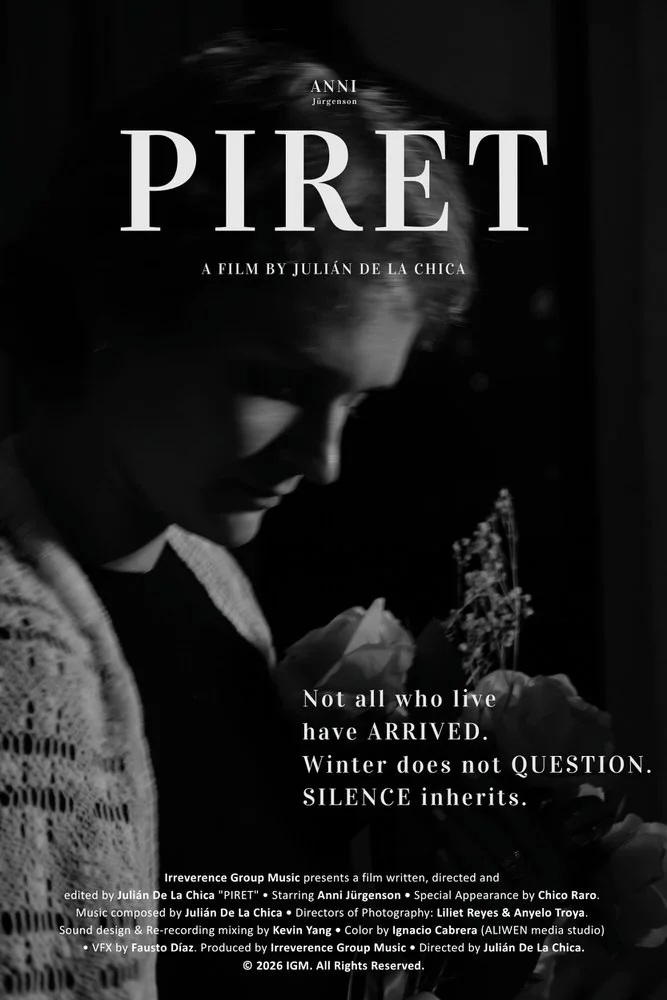
Interwoven with cycles from De La Chica’s String Quartets, Op. 7—recorded by the Kahlo Quartet—the sonic world of Piret traces states of tension, suspension, and unresolved desire. The music moves alongside the image not as accompaniment, but as a parallel consciousness, exploring despair, intimacy, and the erosion of certainty. In this dialogue between sound and image, Piret becomes less a narrative than an atmosphere: a space where identity dissolves, and presence itself begins to fracture.
Synopsis
In 1970s New York, Piret, a young and enigmatic immigrant woman, lives suspended between survival and waiting. Alone with her newborn, she navigates the quiet demands of work, motherhood, and a city that offers little sense of belonging, while holding onto a distant dream of becoming a Broadway actress. Her days unfold in repetition—measured, restrained, and marked by an unease she cannot fully name.
Gradually, Piret begins to sense the presence of another woman—unfamiliar, yet disturbingly precise. What begins as a fleeting impression slowly takes shape, unsettling the fragile balance of her routine. The encounter resists explanation, yet persists, drawing her into a quiet confrontation with memory, absence, and the limits of identity.
As the boundary between perception and reality begins to dissolve, Piret is drawn into a deeper internal threshold—shaped by displacement, emotional endurance, and the silent weight of survival.
Piret is an intimate, visually restrained film that explores immigration, LGBTQ+ identity, mental health, and the fragility of selfhood through a language of silence, repetition, and presence.
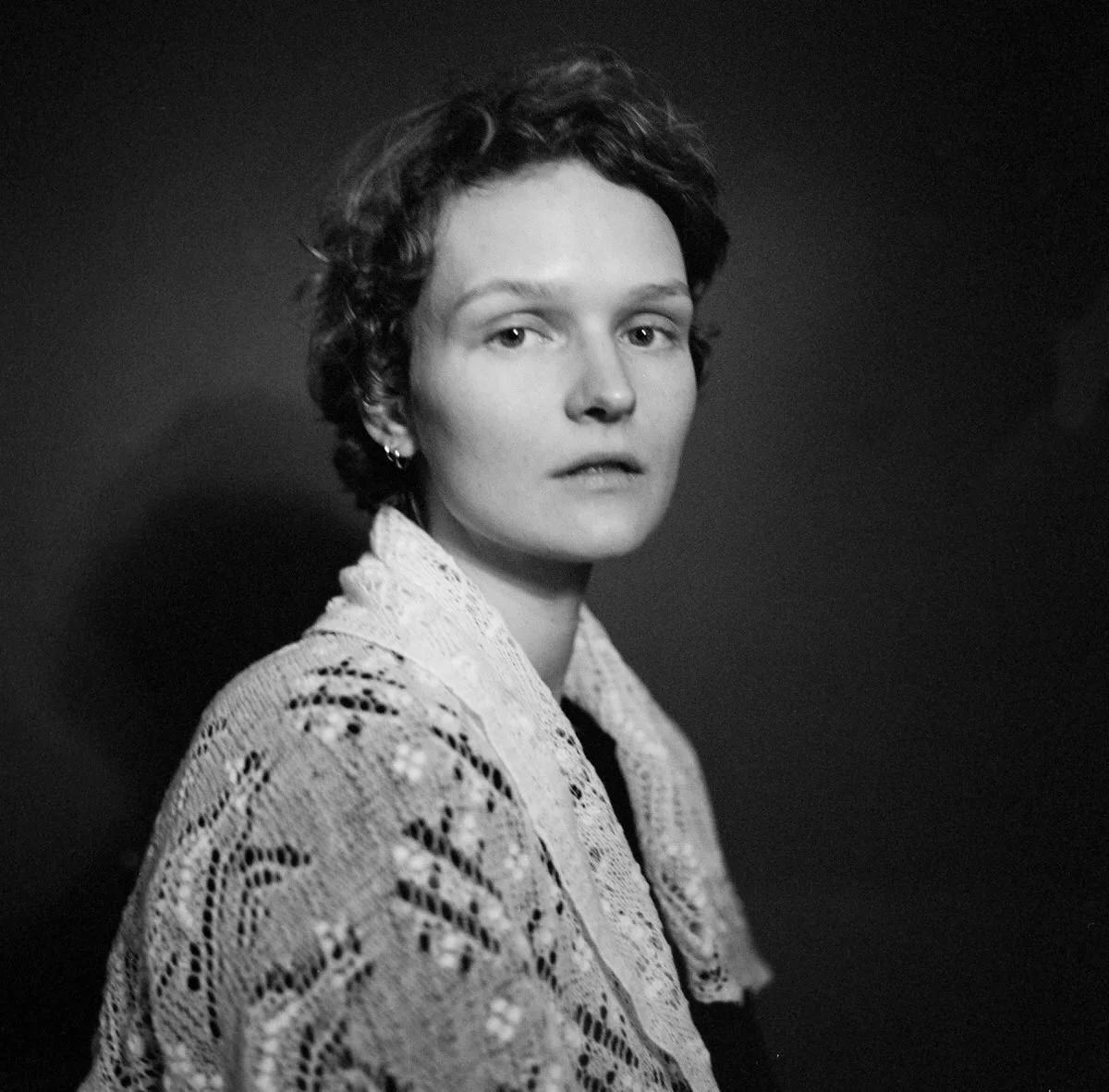
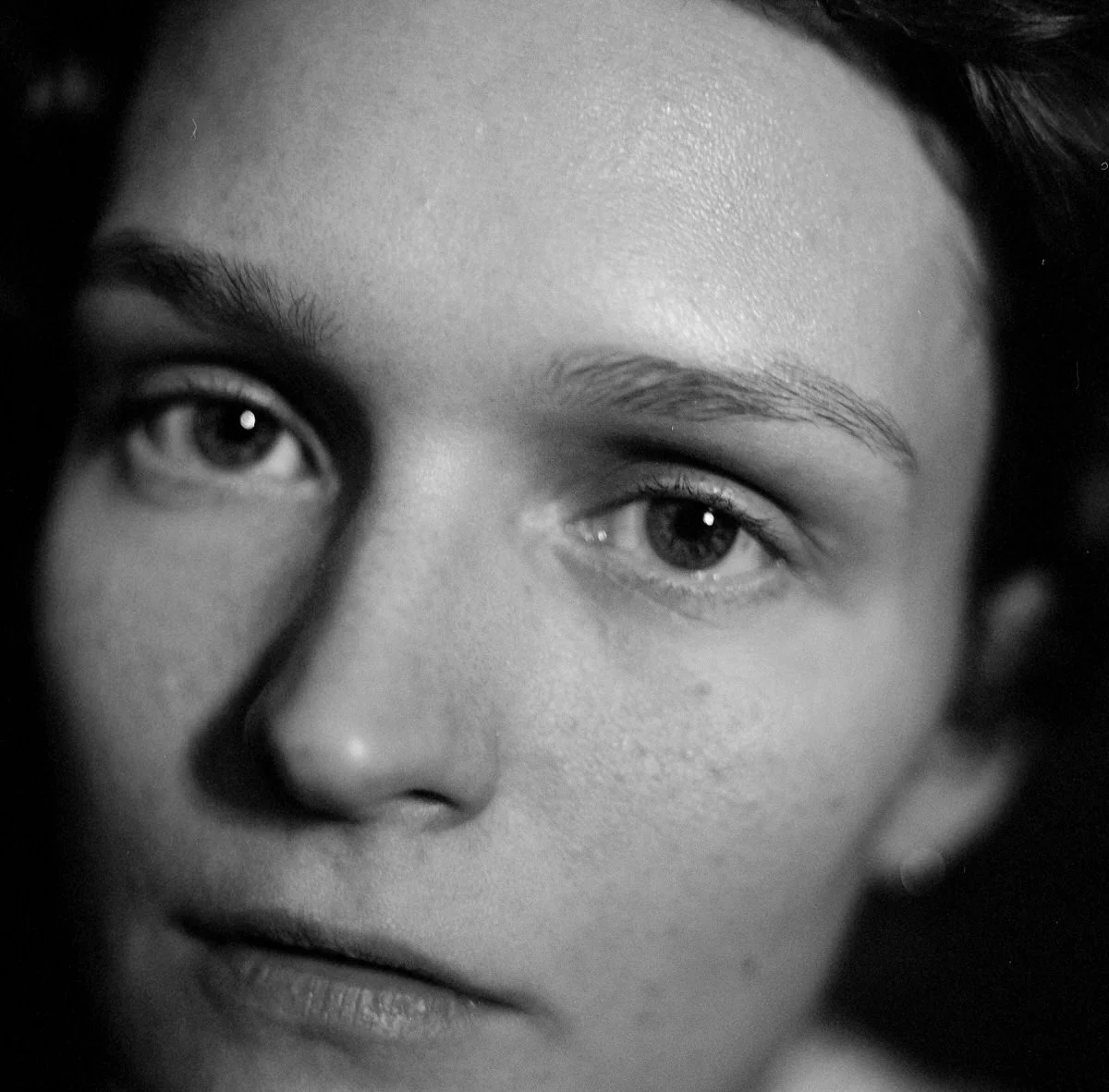
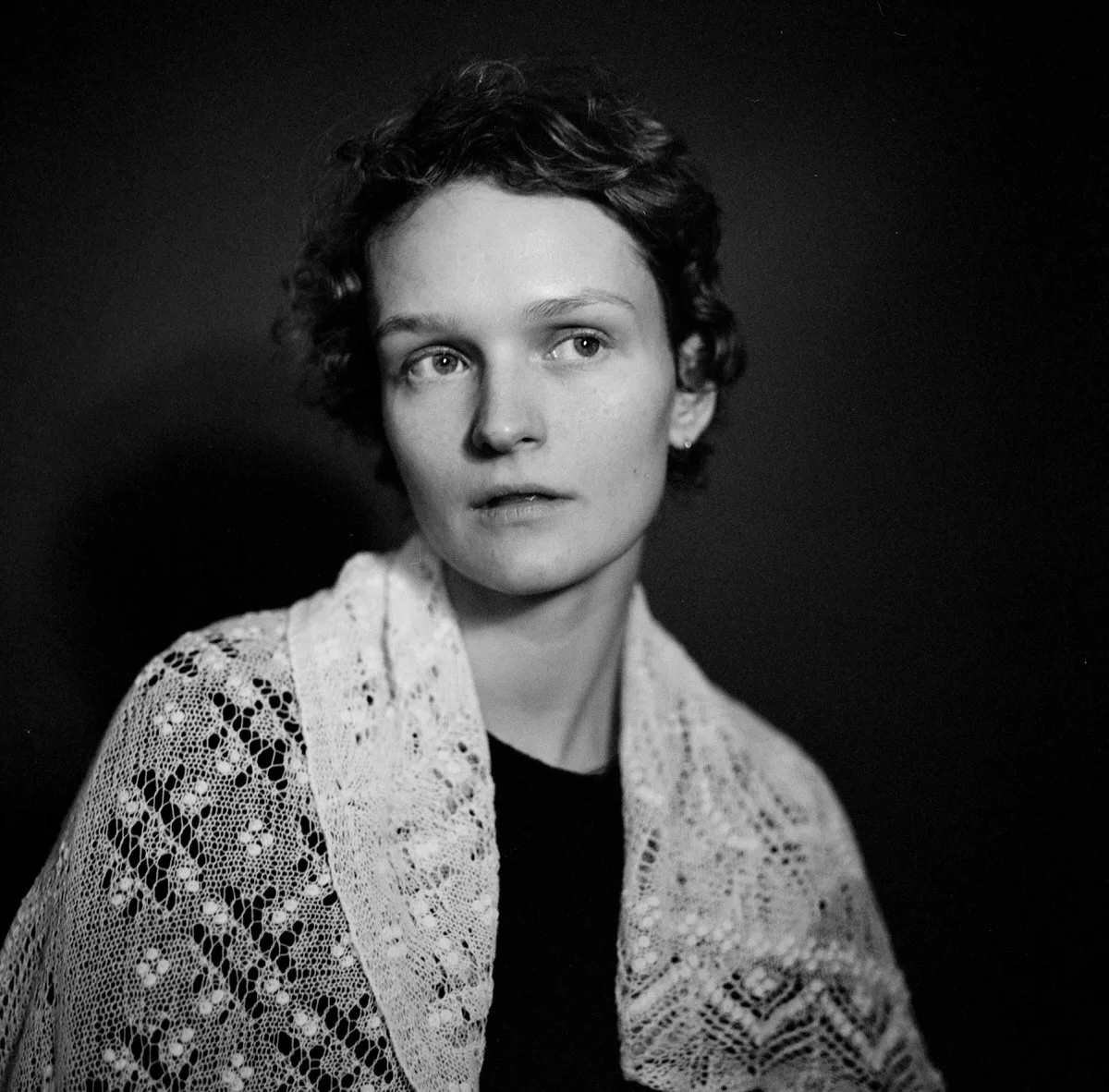
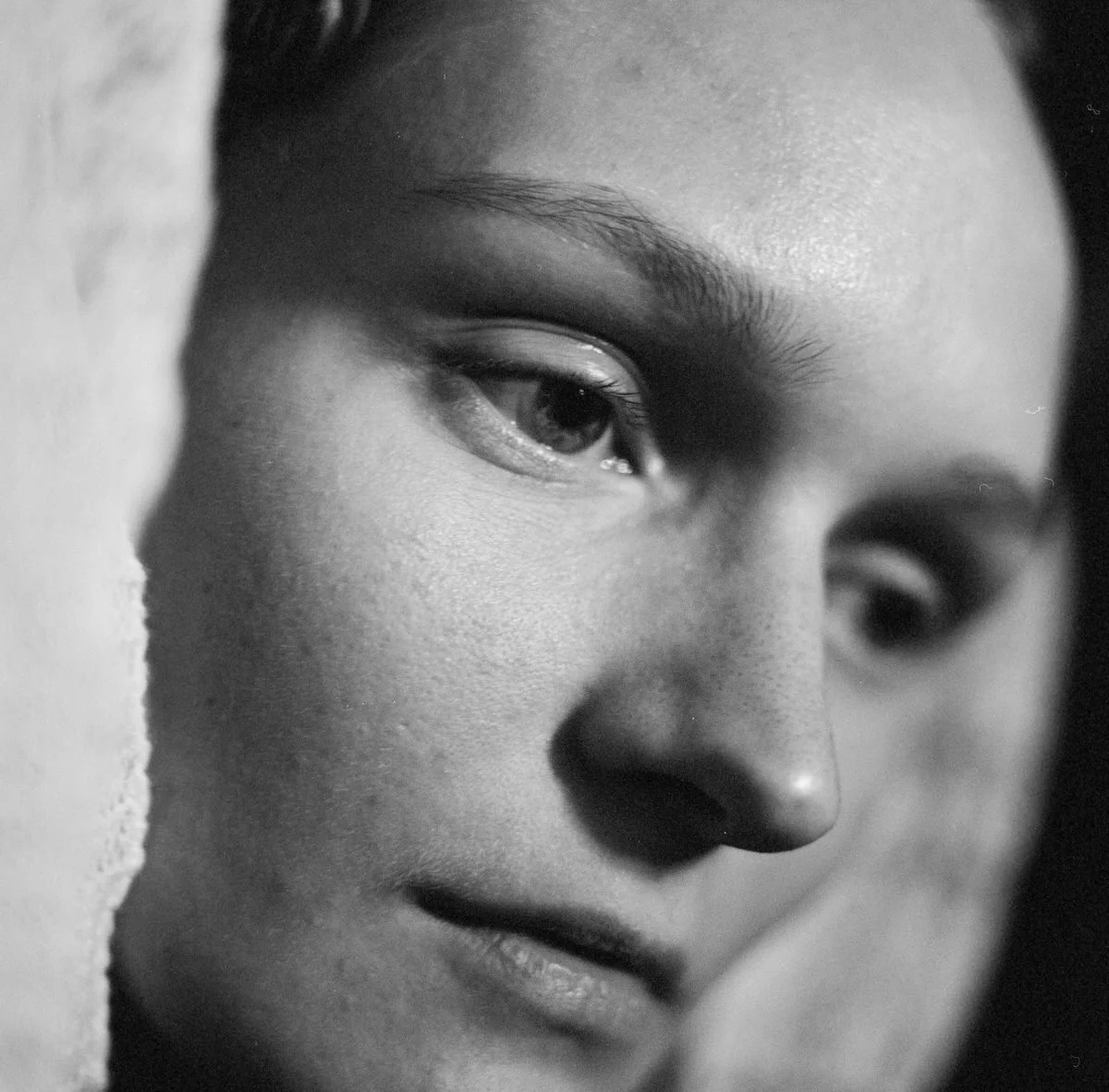
PHOTOS ©ANYELO TROYA
Film NOTES
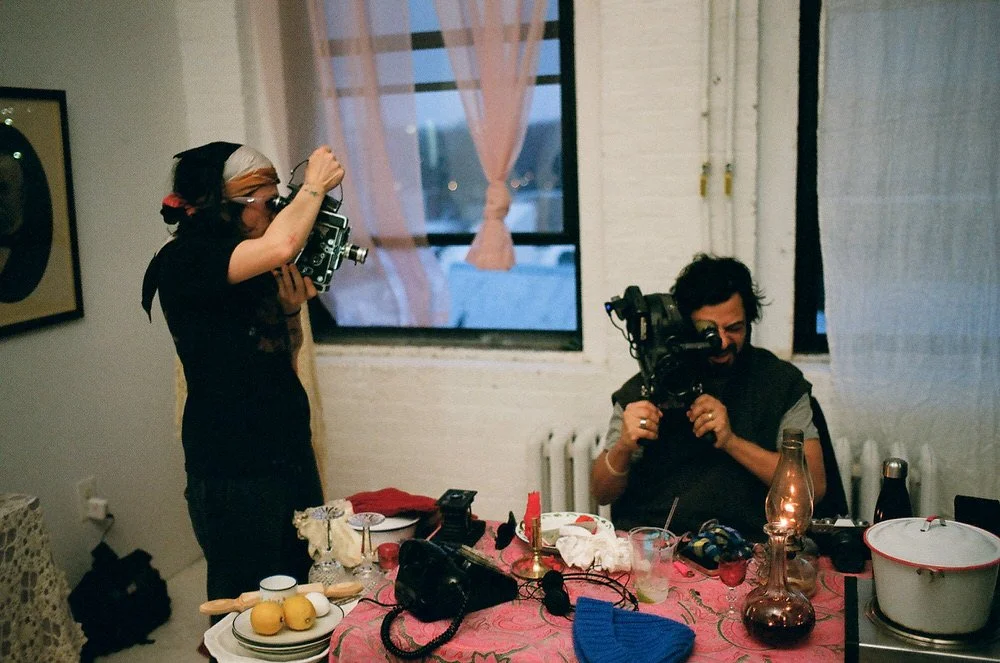
Piret SET
Liliet Reyes & Julián De La Chica.
Photo by Anyelo Troya.
Piret is a restrained and haunting meditation on solitude, perception, and the fragile architecture of the self. Directed with lyrical austerity by filmmaker and composer Julián De La Chica, the film unfolds as a quiet psychological landscape, where silence, repetition, and absence shape a deeply interior experience of displacement and longing.
An intimate and visually austere work, Piret engages with themes of immigration, LGBTQ+ identity, mental health, and the fragility of selfhood through a language of silence, repetition, and presence.
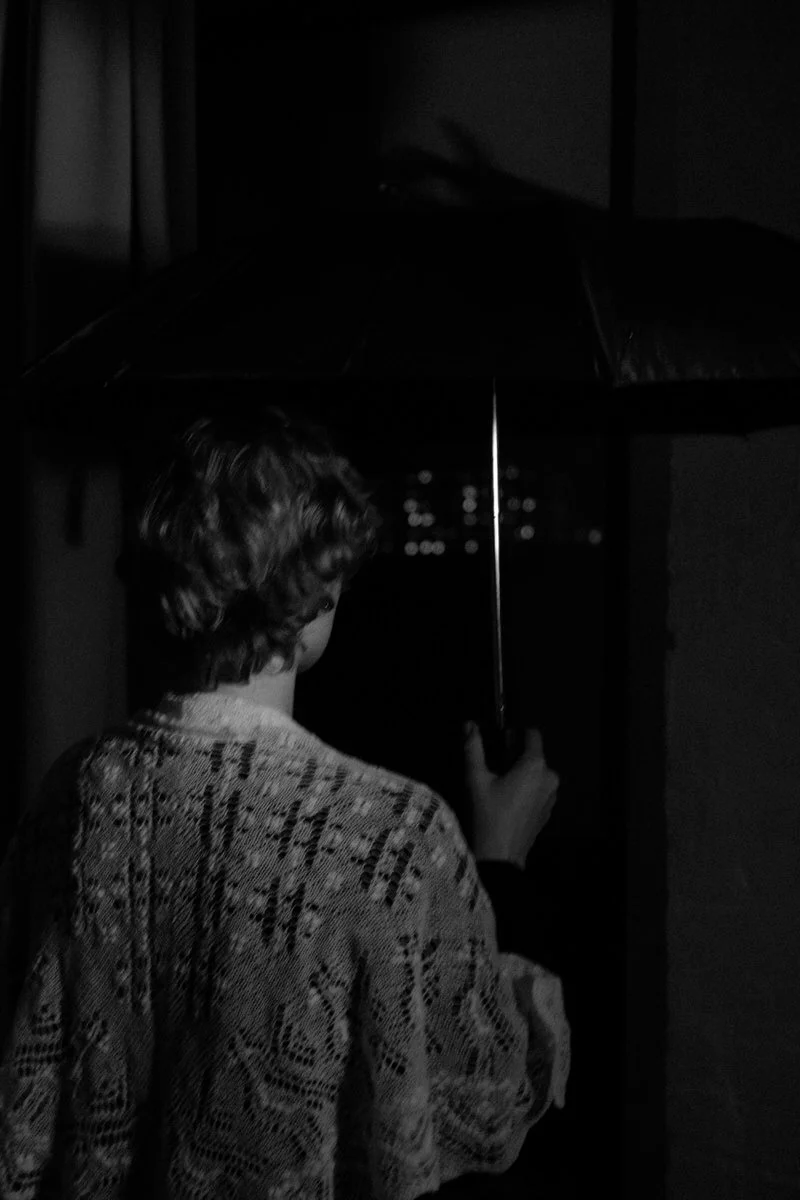
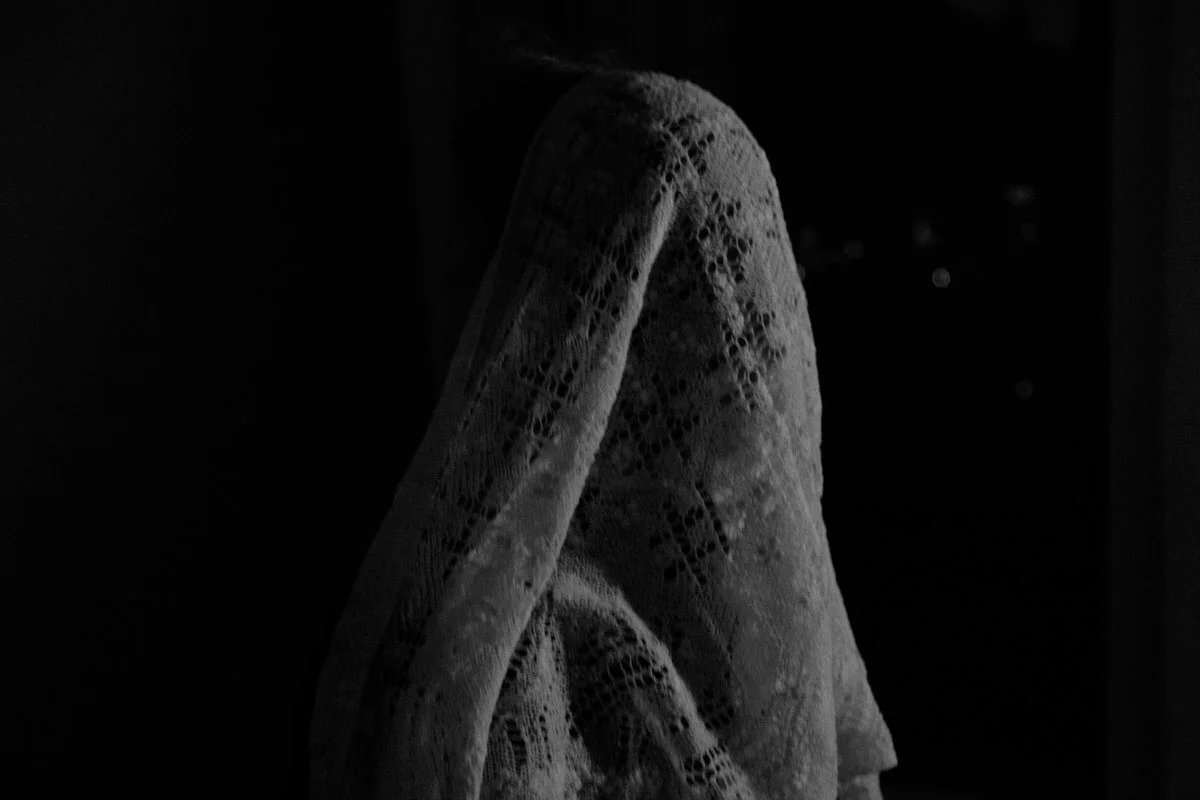
Anni Jügenson
Photo by Julián De La Chica
The CREW
Cast
Anni Jürgenson as Piret
Susana Yasan as The Seer’s Assistant
Chico Raro as Maestra Gertrudis
Ilona Miller as Zinaida
Liliet Reyes as Woman at the Audition
Jenni Elliott as Sister Catalina
Featuring the voices of
Maritza Oliva-Pérez as Haydeé (Radio)
Alejandro FG as Cándido (Radio)
Featuring the hands of
Xolo Cantillo (Male)
Alina Grubnyak (Female)
Written, Directed & Edited by
Julián De La Chica
Directors of Photography
Liliet Reyes & Anyelo Troya
Music composed by
Julián De La Chica
Sound Design & Re-recording Mixing by
Kevin Yang
Color
Ignacio Cabrera (ALIWEN COLOR MEDIA STUDIO)
Visual Effects by
Fausto Díaz
Film Processing
Negativeland Motion Picture Lab
Brooklyn, New York
Shot on
Kodak Double-X 7222
Super 16mm
Filmed in
New York City
Produced by
Irreverence Group Music
The Music
The music in Piret resists traditional scoring, unfolding instead as a psychological extension of the image. A piano work composed specifically for the film establishes a fragile and intimate sonic space, where repetition and silence articulate states of suspension and interior tension.
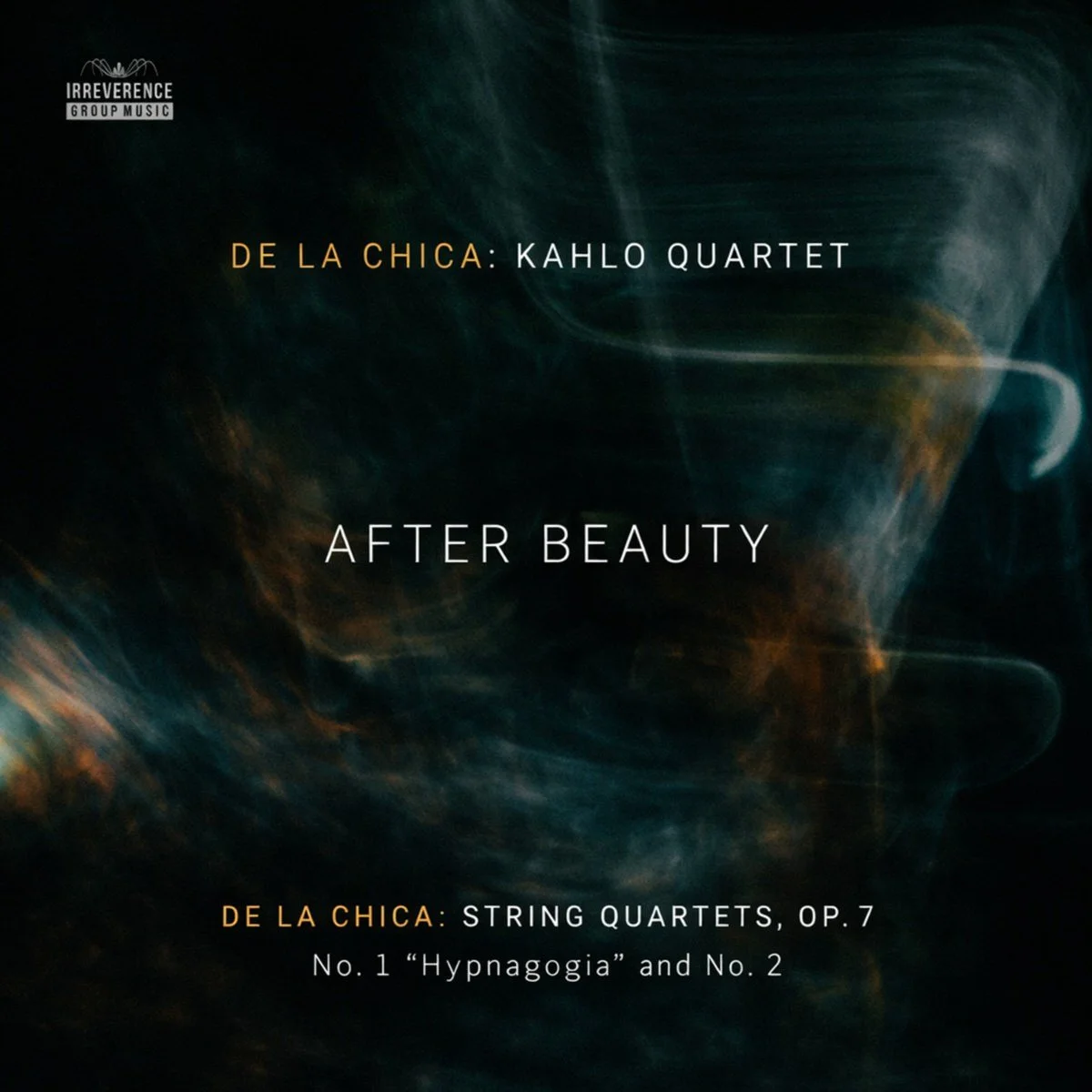
The film developed in parallel with the recording of De La Chica’s String Quartets, Op. 7—their world premiere recording by the Kahlo Quartet. Within this convergence, De La Chica found a natural point of intersection, incorporating one of the quartet’s cycles into a pivotal scene that explores a quiet, almost imperceptible despair.
Composed during particularly charged periods in the composer’s life, the quartets carry an undercurrent of personal and political tension—the second shaped in part by a narrative of frustration and unrest. Within Piret, these works do not function as accompaniment, but as a parallel consciousness, shaping tension, absence, and emotional ambiguity rather than illustrating narrative. Silence and resonance become structural elements, allowing sound to inhabit the same fragile space as memory, perception, and displacement.
READ MORE
BUY & STREAM
Listening to String Quartet, Op. 7, No. 1
And so these quartets feel less like new compositions than rediscoveries: sounds that were always there, waiting for their moment to be heard. They invite us to slow down, to notice the fragile grain of sound, the way silence holds it. Before the first note, the stillness of the hall already feels charged. The audience leans forward, uncertain if the music has begun. When it ends, that same stillness remains — transformed, resonant, full.
Two notes tremble in the dark. Between them, the rose opens once more — beautiful, dying, and utterly alive.
— Thomas May
Festivals & AWARDS
Winner
The IndieFest Film Awards – Award of Recognition: Leading Actress
The IndieFest Film Awards – Award of Recognition: Sound Design / Sound Mixing
Amsterdam New Cinema Film Festival — Best Short Film
Meet the team behind PIRET
The DIRECTOR
Julián De La Chica
Photo by Anyelo Troya
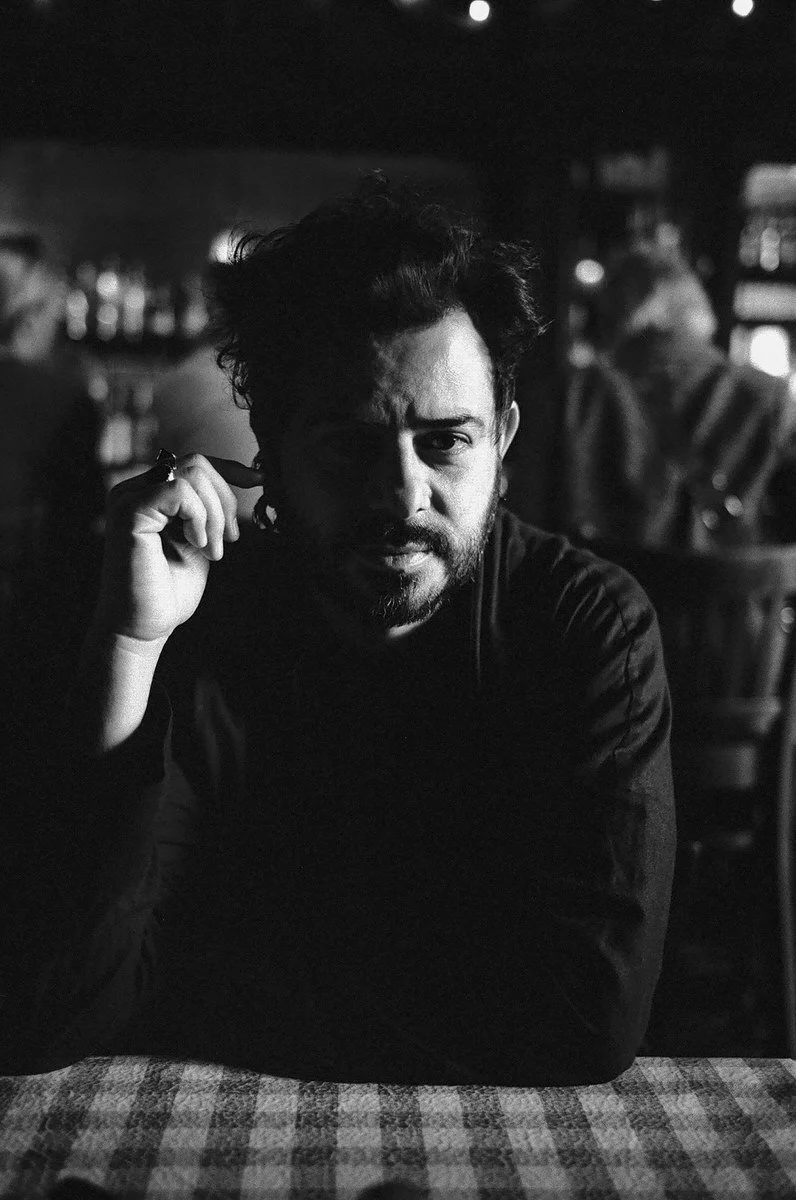
Praised for his "meditative simplicity" [The New Yorker Magazine] described as "an extraordinarily deep thinker... able to take a listener into mysterious byways using very slender means" [Music Trust], and noted for his "spare and pensive" music [NewSounds], Julián De La Chica is an award—winning Colombian multidisciplinary artist and author (AWA), based in Brooklyn, NY. His influences range from minimalism and post—minimalism to the alternative electronic scene. His work often juxtaposes spiritual reflection with an exploration of humanity’s inner darkness, drawing inspiration from everyday images. His music mixes piano, strings, and classical voices with electronic keyboards and controllers, crossing genres from classical to ambient and electronic music. With a discography that includes six solo albums and over eighteen collaborative projects (between singles and albums), De La Chica’s music has been recorded and performed by artists worldwide and has been featured on Spotify’s Classical New Releases playlist. His work has also premiered at prestigious venues, including Carnegie Hall, the Berliner Philharmoniker, and the Real Academia de Bellas Artes in Madrid.
Cine
—matography

Liliet Reyes
Self—Portrait
Liliet Rosa Reyes is a Cuban-born cinematographer and visual storyteller based in New York City. Her work is deeply rooted in lived experience, drawing from her upbringing in eastern Cuba and her ongoing engagement with immigrant and diasporic communities in the United States.
Since 2013, she has developed a practice grounded in documentary ethics, working across narrative and experimental forms. As a Director of Photography, Reyes prioritizes trust, intimacy, and authenticity, creating images that honor the complexity of human experience.
Connect with LILIET
Website
Instagram
Anyelo Troya.
Photo by Anni Jürgenson
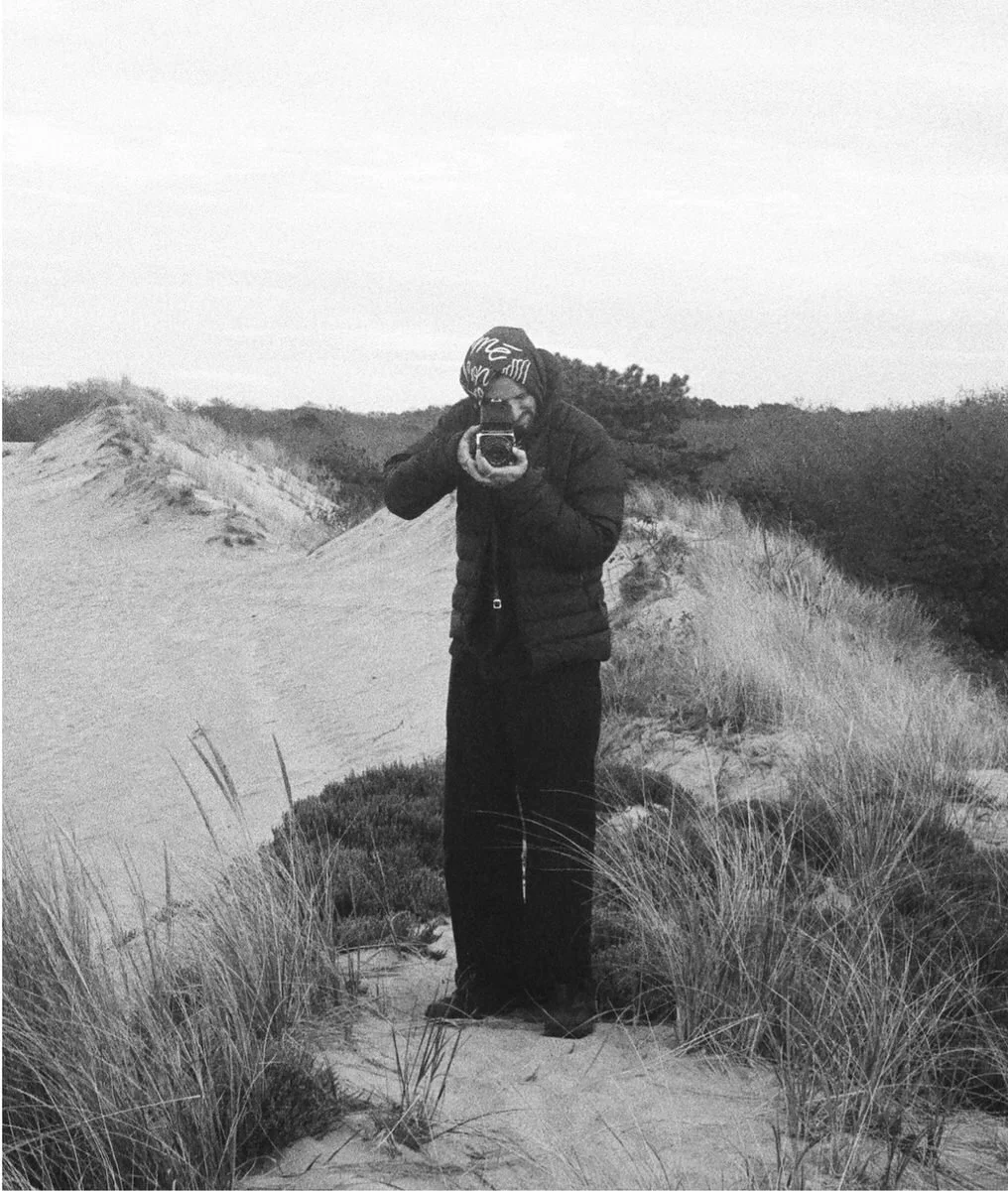
Anyelo Troya is a Cuban cinematographer and photographer based in New York. With a deep commitment to storytelling through light and texture, he specializes in 16mm film and has worked across films, music videos, commercials, and experimental projects.
Troya gained international recognition for filming the Cuban segments of Patria y Vida, the Grammy Award–winning song that became an anthem for political change in Cuba. During the historic July 2021 protests, he was arrested on charges of “public disorder.” Following his emigration to the United States in 2022, he has continued developing a body of work shaped by themes of memory, resistance, and identity.
He has collaborated with artists including Luis Manuel Otero Alcántara, Chabuco, Juanes, Kodak Black, DJ Khaled, Jencarlos Canela, Jhayco, José Parlá, Nicky Jam, Sebastián Yatra, Buena Vista Social Club, Yotuel, William Parker, Juan Carlos Alom, and Lauryn Hill.
His commercial and visual work includes projects with Air Jordan, Saucony, Puma, Boiler Room, ACBC, Oakley, and Luar. Troya’s work has been featured in publications such as Rolling Stone, Bold Journey Magazine, Trickster Magazine, Rialta, and El Estornudo.
Kevin Yang.
Courtesy by Kevin Yang.
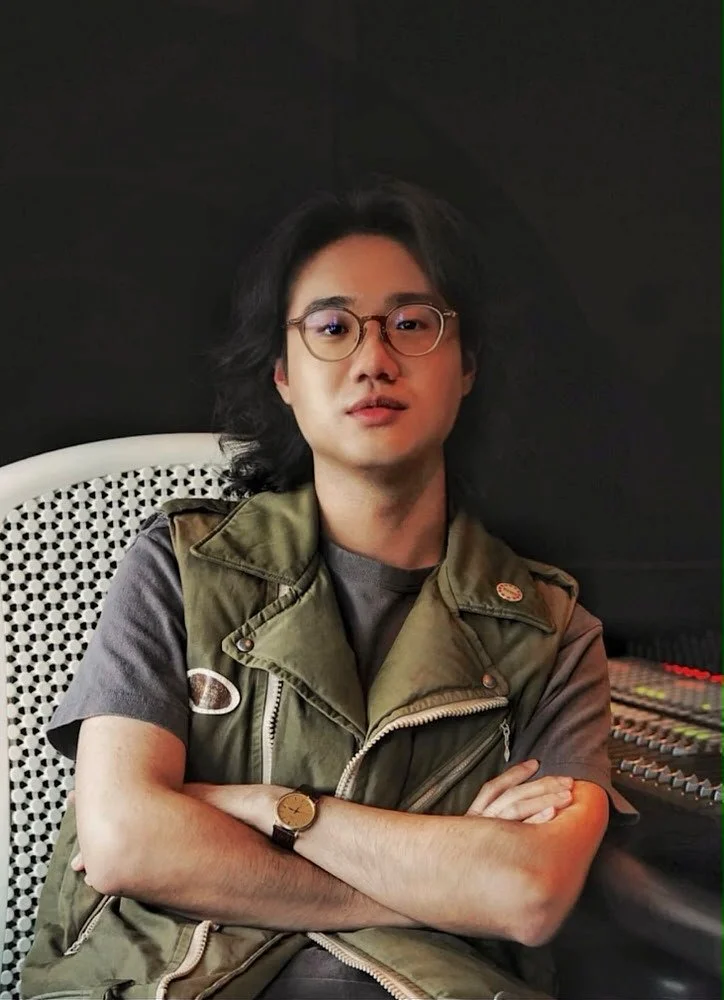
Kai-Hsiang (Kevin) Yang is a Taiwan-born composer and post-sound professional based in New York. He works across narrative, documentary, and animated films, specializing in original music, dialogue editing, sound design, and re-recording mixing. He has contributed to multiple award-winning films.

Ignacio Cabrera.
Courtesy by Ignacio Cabrera.
Ignacio Cabrera is a Chile-based Cuban colorist, editor, and post-production supervisor, and the founder of ALIWEN COLOR, a studio specializing in color grading, finishing, and post-production workflows for film and commercial productions.
Throughout his career, Cabrera has collaborated with the Cuban Institute of Cinematographic Art and Industry (ICAIC), serving as a colorist and digital imaging technician (DIT) alongside acclaimed filmmakers, including Fernando Pérez. His work spans feature films, documentaries, short films, music videos, and commercial productions, earning him the 2022 Lucas Award for Best Editing.
Before founding ALIWEN COLOR, Cabrera worked with Cuban Television, the Faculty of Audiovisual Media Arts (FAMCA) at the Higher Institute of Arts (ISA), and independent production companies including Wajiros Films, developing expertise in editing, color grading, and post-production.
His recent credits include the feature films La Lengua Desnuda, Shades: The Vision, and El Río, where he served as editor and colorist, as well as numerous documentary, commercial, and international productions.
Connect with IGNACIO
Website
Instagram
Press & LINKS
Article Piret CHICAGO Journal