← Return to RECORDINGS
Kahlo Quartet:
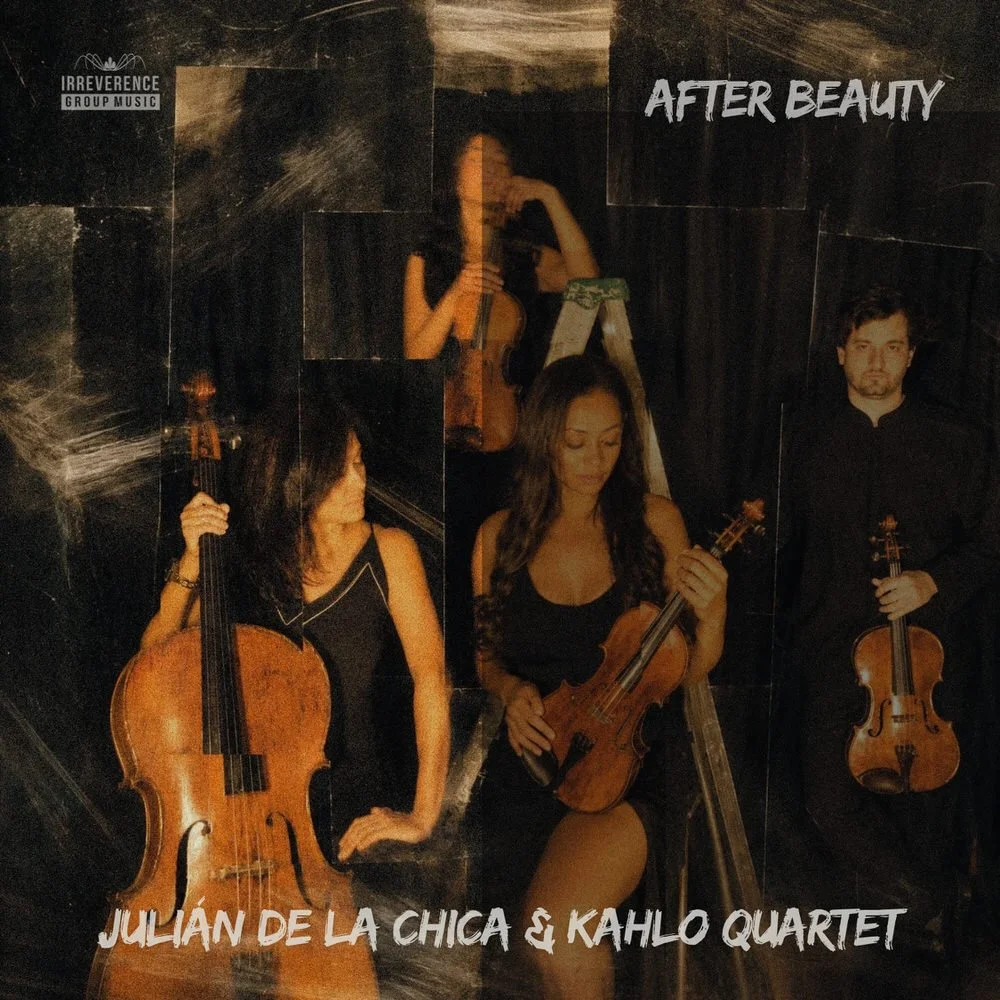
After beauty
Release: DEC 11, 2026
Irreverence Group Music [IGM], in collaboration with the Kahlo Quartet, presents After Beauty, the world premiere recording of composer Julián De La Chica’s integral String Quartets, Op. 7, set to be released on December 11, 2026. The album brings together String Quartet No. 1, “Hypnagogia”, and String Quartet No. 2, “After Beauty”, recorded for the first time as a complete cycle and marking the Kahlo Quartet’s debut studio album.
The origins of Op. 7 date back to 2015, when String Quartet No. 1, “Hypnagogia,” was composed. The work premiered at Carnegie Hall in 2016, marking De La Chica’s debut there as both composer and pianist. String Quartet No. 2, “After Beauty,” followed in 2017, completing a cycle conceived across two distinct periods of the composer’s life. Nearly a decade later, both works finally found their way into the recording studio, bringing together a musical vision that had remained unrecorded for years.
Rather than functioning as independent works alone, the two quartets form a continuous exploration of memory, repetition, silence, and emotional erosion. Moving between post-minimalism, psychological fracture, and moments of almost sacred stillness, the integral develops through recurring gestures, extended silences, and gradual harmonic transformations, allowing material to emerge, disappear, and return in altered forms.
Listen to Aria No. 3: El Arno
String Quartet
No. 1, “Hypnagogia”
and No. 2, “After Beauty”
-
Format: Album
Release: December 11, 2026
Catalogue: IGM-046
GTIN/EAN/UPC: 4068992221731
Producer: IGM -
Kahlo Quartet (String Quartet)
Julián De la Chica (Synthesizer) -
Julián De La Chica
-
N/A
-
De La Chica — String Quartets Nos. 1 and 2, Op. 7: “Hypnagogia” & “After Beauty”:
String Quartet No. 1, Op. 7, “Hypnagogia”
01. Cycle I
02. Cycle II
03. Cycle III
04. Cycle IV
05. Cycle VString Quartet No. 2, Op. 7, “After Beauty”
06. Cycle I
07. Cycle II
08. Cycle III
09. Cycle IVBonus Track:
10. Summa (for String Quartet and Synthesizer)
-
Commissioned by Kahlo Quartet & Irreverence Group Music
Produced by Irreverence Group Music
Music by Julián De La ChicaKahlo Quartet - String Quartet
Julián De La Chica - SynthesizerRecorded by Greg DiCrosta
at Firehouse 12, New Haven, CT
Edited, mixed & mastered by Julián De La Chica
at IGMLab Music, Brooklyn, NYAlbum Notes by Thomas May
Artwork/Cover: IGM
Photography by Julián De La Chica
& Anyelo Troya
Videos by IGMJulián De La Chica’s music is published
by Vagabundo Music Publishing, Inc. (BMI)
Manufactured and marketed
by Irreverence Group Music (Brooklyn, NY)
Made in USA. Total time: 72 min
Ⓟ & © IGM 2026
Liner NOTES
After the Beauty:
Julián De La Chica and
the Solitude of Sound
By Thomas May
It was in a dream that Julián De La Chica first saw his String Quartet No. 1. Lying half-awake, he imagined a rose blooming between two notes — a vision at once tender and unsettling. Those paired tones, close enough to ache, became the seed of the entire work. “The beginning is everything,” he says. “The rest is just development.”
That image — the fragile flower suspended between tension and release — has followed him ever since. It has become shorthand for the sound world De La Chica has built across his career: music born of solitude, pared down to its breath.
The quartet moves with glacial slowness, almost entirely without vibrato, as if afraid to disturb the air. Its five cycles — De La Chica avoids the European term “movements” — trace the passage from the rose’s first bloom to its inevitable decay. The music asks for stillness rather than display, for silence to carry part of the meaning.
The score itself reads like a credo: “without vibrato,” “minimum weight on the bow,” “austere sound. Minimal. Worn. A resigned sound.” These are not performance directions so much as a moral stance — a sound world stripped of ornament, where fragility becomes truth. “It’s not about beauty,” De La Chica says. “It’s about what comes after the beauty — when the flower dies.”
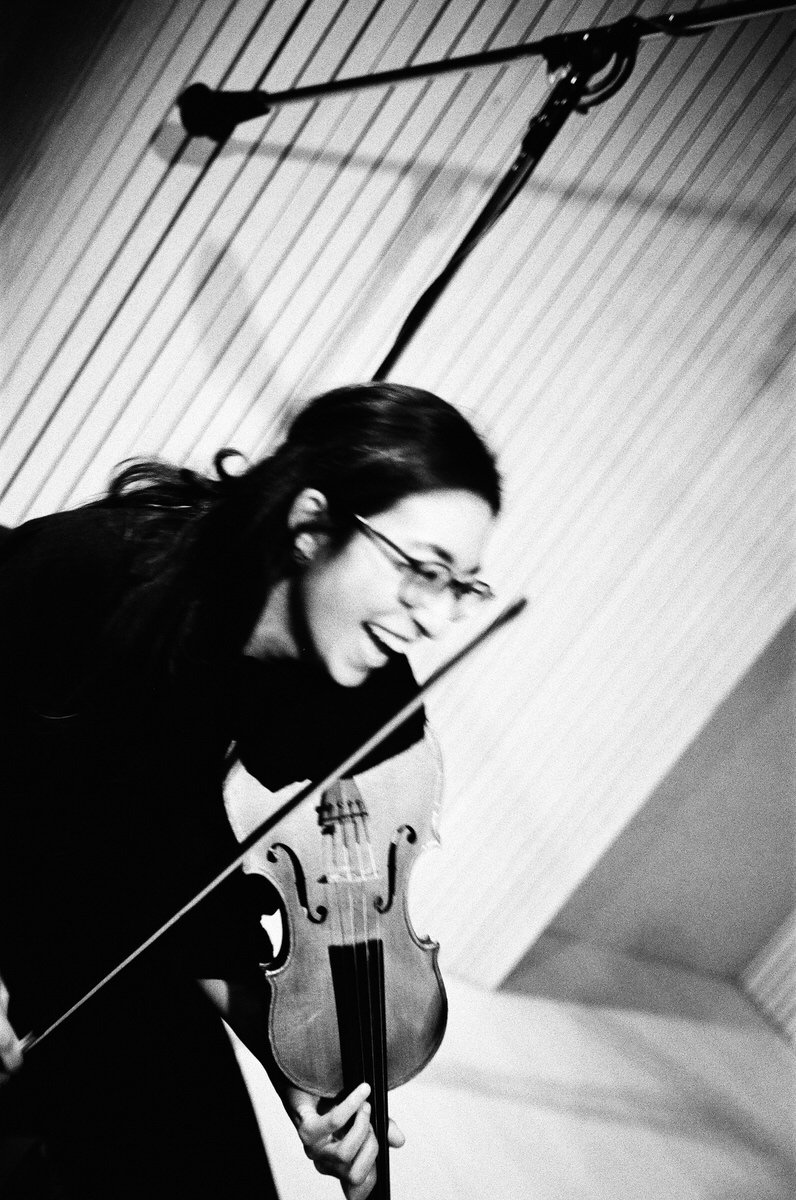
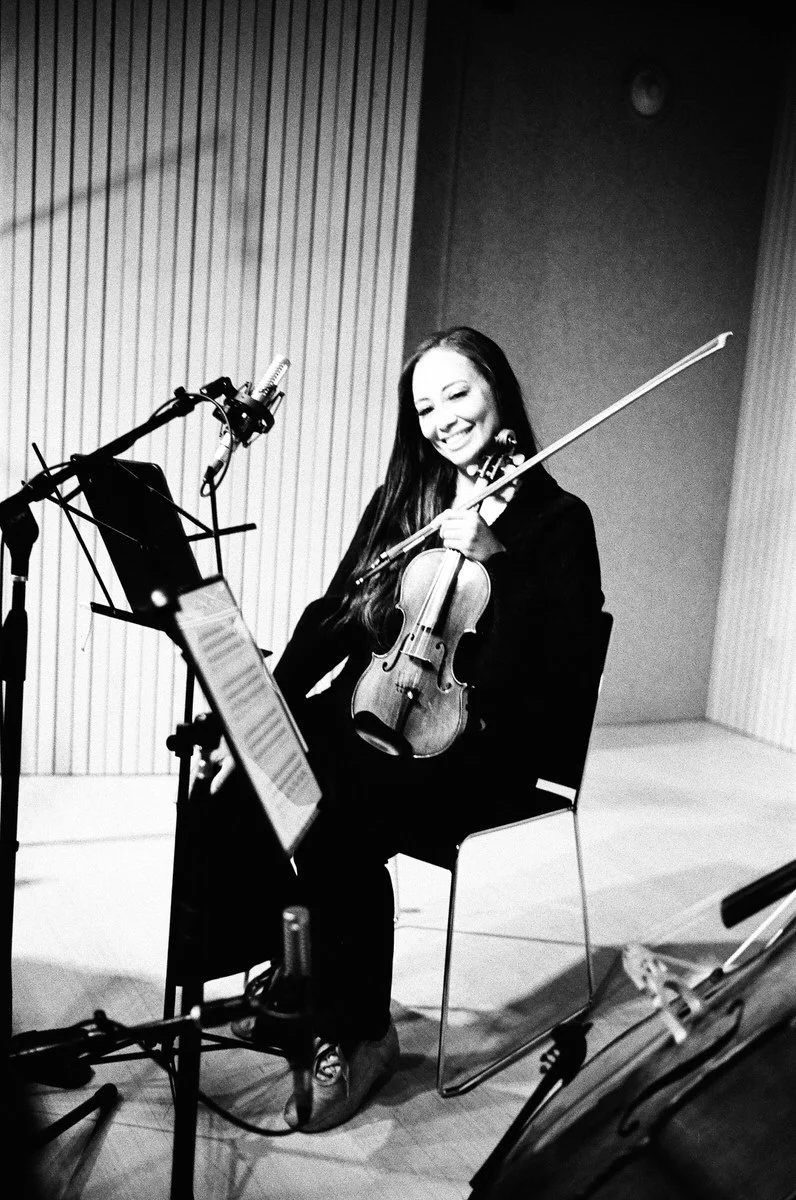
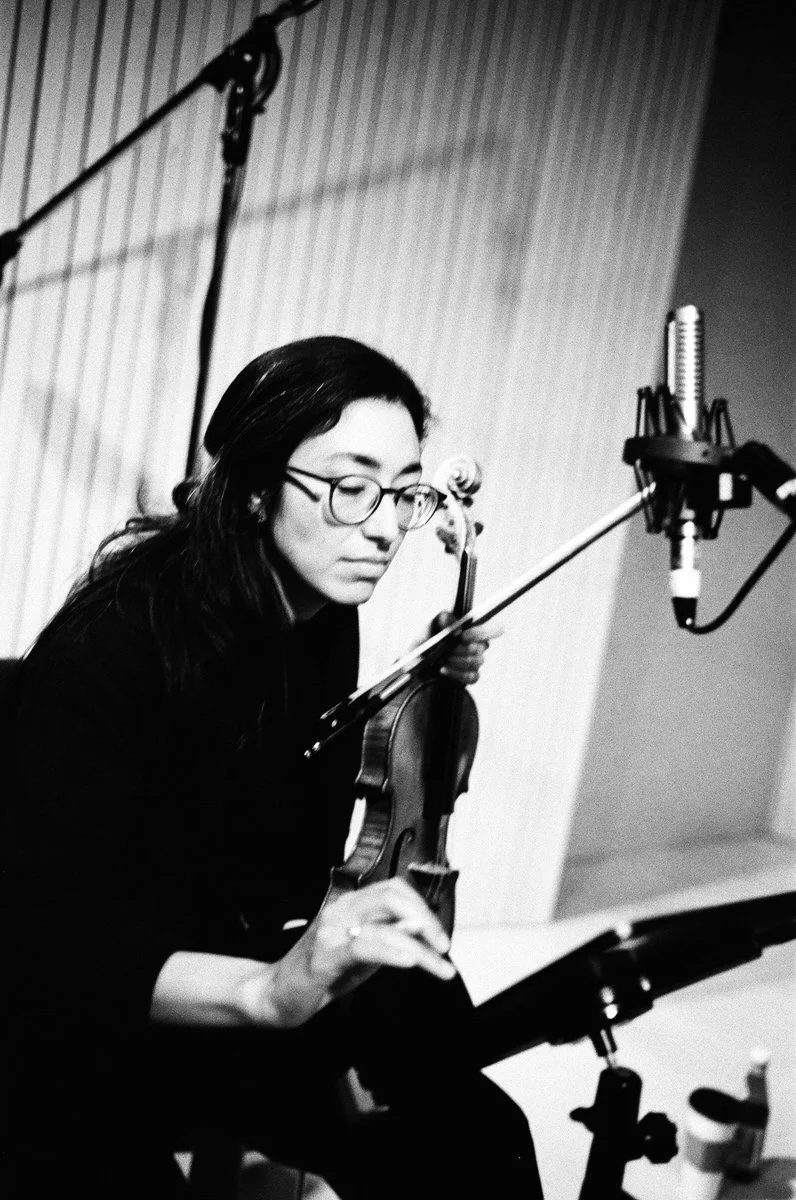
Manuela Romero | Violin II
Founding Member, Kahlo Quartet
Photo By Julián De La Chica
Beneath the calm surface runs quiet extremity: long tones stretched to the edge of breath, harmonies balanced between consonance and collapse. Where others polish away imperfections, De La Chica invites them in. “I like the rawness,” he says. “Reality is life, and now it’s dying. You need to feel that in the sound.”
His insistence on near-vibrato-less tone inevitably calls to mind the inward gravity of Beethoven’s late quartets — above all the Heiliger Dankgesang, where stillness and fragile intonation become a kind of devotion. De La Chica’s sound, though born of a different century and a different landscape, shares that same sense of vulnerability turned into spiritual pressure.
String Quartet No. 1 was born in 2015 from an invitation to write for a Carnegie Hall event connected with musicians in the Philip Glass circle. “The quartet is such a responsibility,” he recalls. “It’s a sacred form.” He immersed himself in lineages that stare directly into silence: Beethoven’s late quartets, Shostakovich’s Fifteenth, Glass’s Dracula, and Haydn’s The Seven Last Words of Christ, whose meditative restraint helped shape his sense of how sound can hold stillness without going cold. The dream of the rose gave him his entry point — beauty already shadowed by its ending.
When the piece premiered, De La Chica felt both satisfaction and distance. The work had revealed itself, but not yet its moment. He and the original players attempted a recording, but the sound wasn’t what he heard internally. “It wasn’t ready,” he says. “The sound wasn’t what I heard inside.” A decade passed before the project found its moment again.
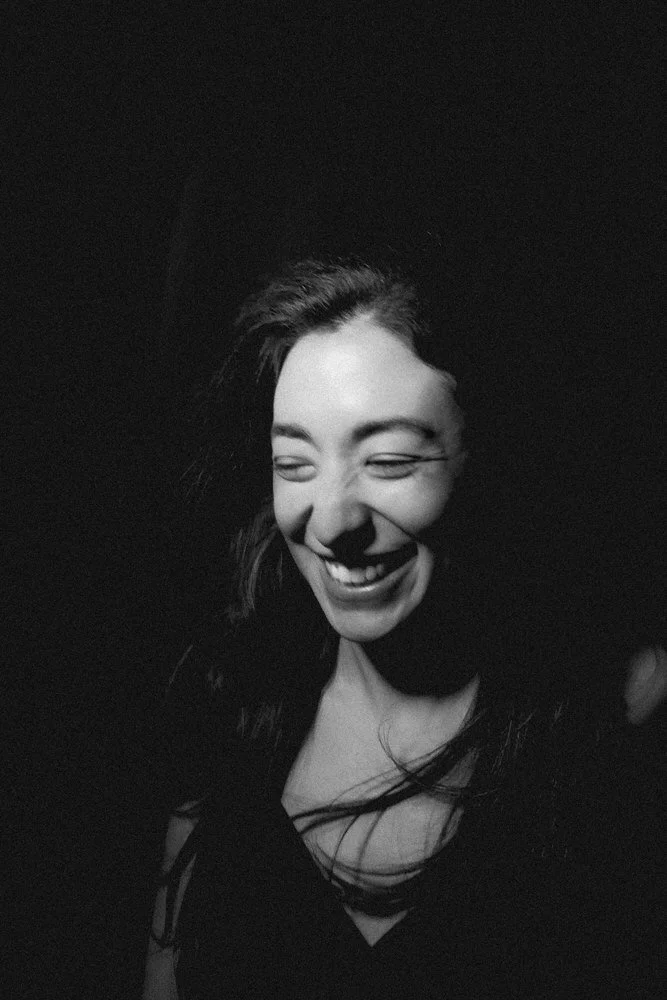
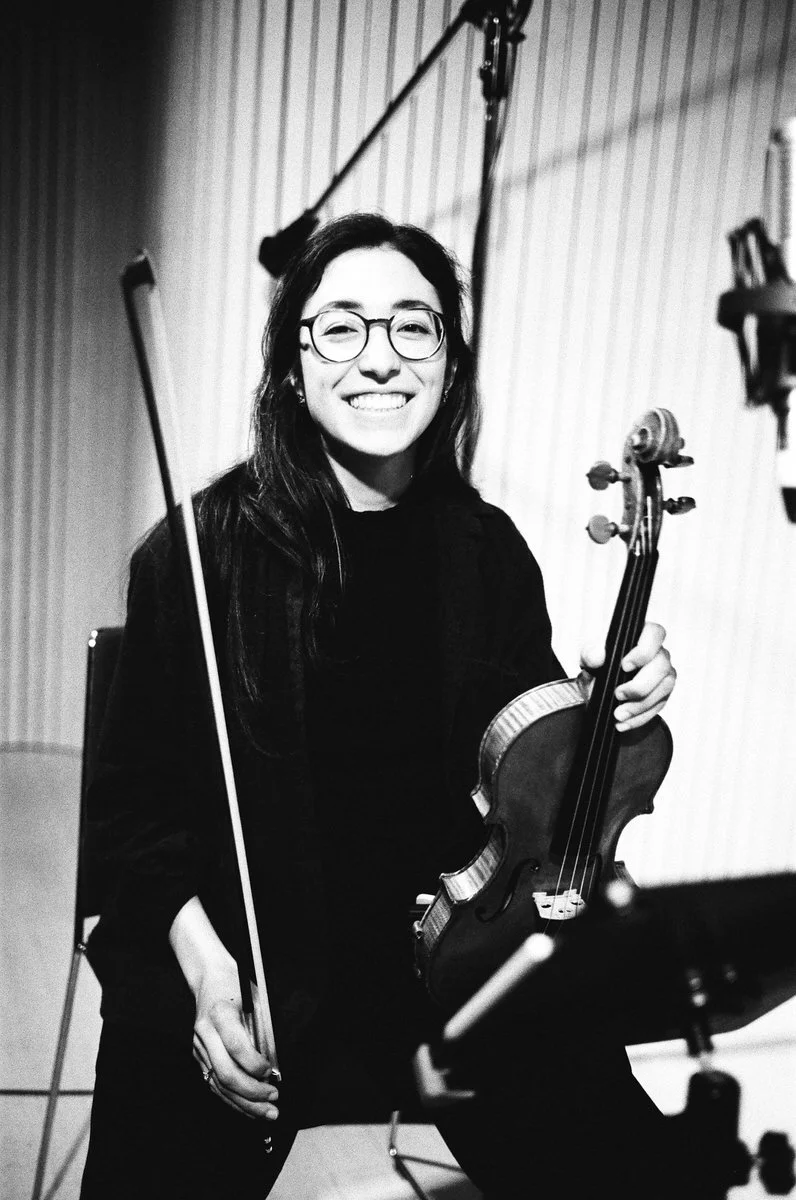
Audrey Lee | Violin I
Photo By Julián De La Chica
A Voice
Beyond
Borders
De La Chica’s search for sound began long before that dream. Born in Manizales, Colombia, he began studying piano at the age of five. The conservatory path offered promise but also confinement. “You have a lot of noise in your mind when you leave the conservatory,” he says. “All those patriarchal ideas of what music should be. But I was missing my own voice.”
He left before graduating and traveled through Europe and Latin America, earning the nickname el vagabundo del piano — the piano wanderer — a nod to Schubert’s Wanderer Fantasy that friends playfully connected to his early travels. De La Chica lived by teaching music, playing in the subway and bars, and working in small Latin restaurants. “It was about unlearning,” he says. “About silence. About finding the moment when music begins inside you.”
By 2008, the composer had relocated to New York City, working day jobs while composing in a rented room in a small Harlem apartment before later making his home in Brooklyn. At night he wandered. From his window he’d watch a lone figure at the corner bodega, or the pulse of lights on the elevated train. “You hear a kind of counterpoint in the city,” he says. “Every sound belongs to another rhythm.” That landscape of overlapping noise and loneliness became his true conservatory.
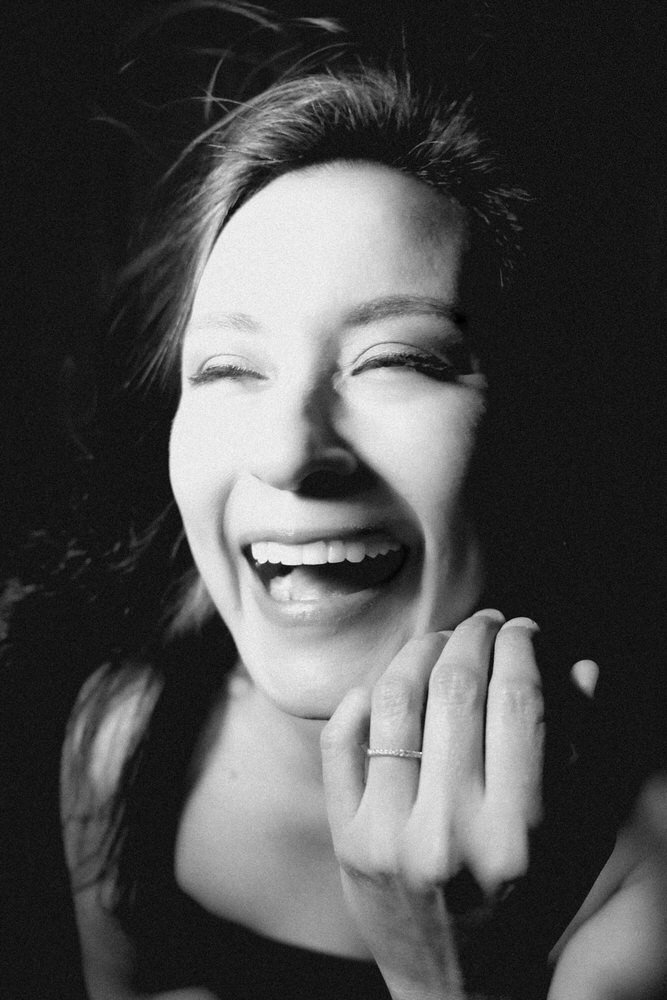
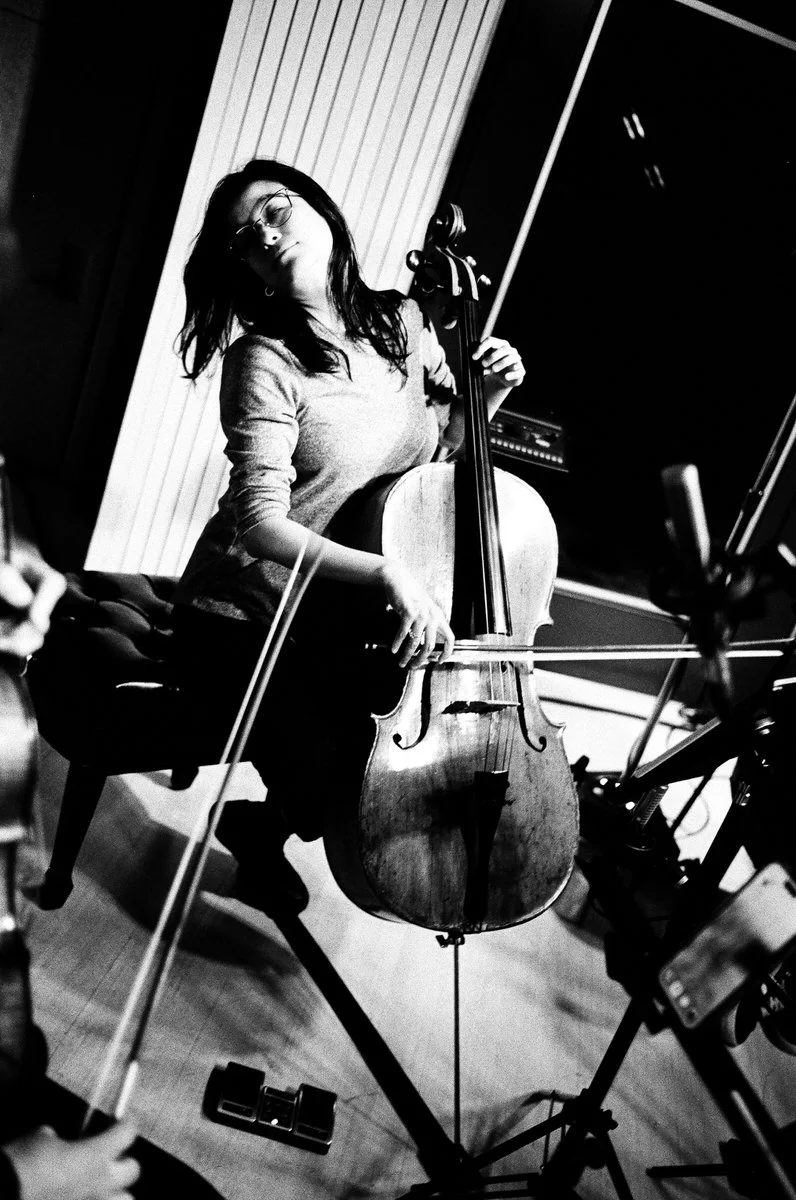
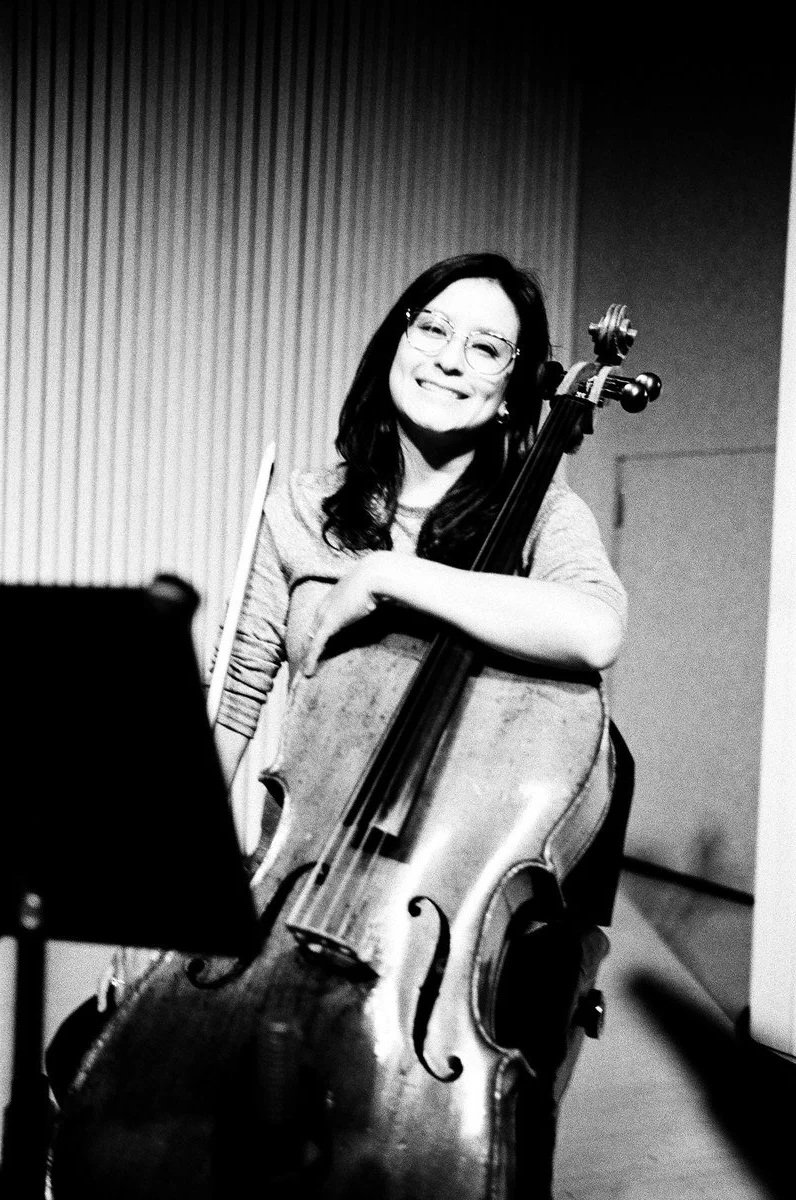
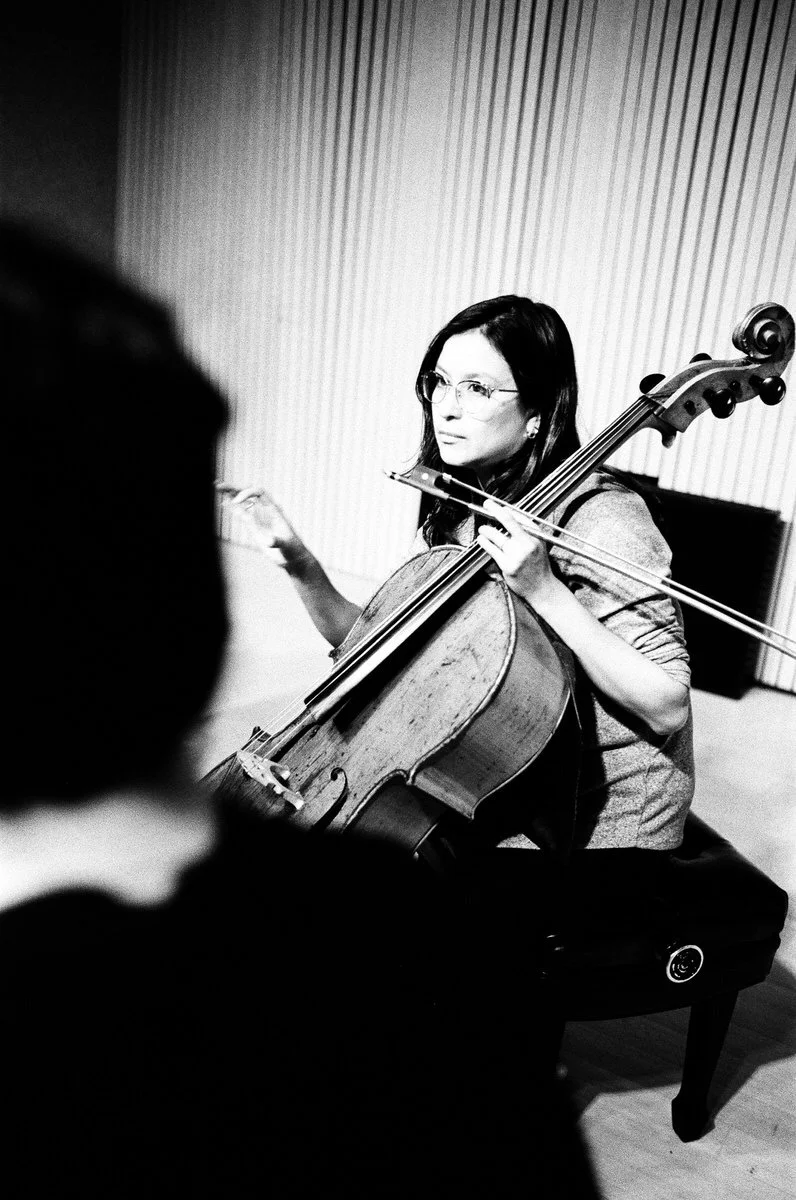
Andrea Beltrán-Landers | Cello
Founding Member, Kahlo Quartet
Photo By Julián De La Chica
Out of that world came Poemas de Bar (2010), a cycle of Spanish-language songs about strangers glimpsed through the haze of bars and subway platforms — anonymous lives brushed by music. “New York is so full of people, but it’s a very lonely place,” he has said. The work lay dormant for a decade before finding its voice through Russian soprano Yana Mann during the pandemic. Its belated rebirth mirrored De La Chica’s belief that some works have to wait to become what they are.
At the same time, his artistic reach widened. He made two independent films — Agatha and Dora — both awarded internationally, reinforcing his artistic independence and risk-taking. He wrote his piano cycle, Op. 8, the Preludes for Lisa Moore, and composed his Symphony No. 1 for electronic keyboards. He shot photographs, wrote poetry, scored soundtracks. “I don’t believe anymore in these divisions,” he says. “When I feel I need to use a camera or a piano, I just do it.”
On his own site, De La Chica has described his aesthetic in almost existential terms. People call it “minimalism,” but he pushes back: for him, the so-called minimal is not a style — it’s a way of being. He writes about listening at night to “the noise of my fears,” and about discovering, as a child, “that unusual place where the minimal resides.” In other words: what some hear as reduction, he experiences as exposure. His music doesn’t decorate emotion. It reveals it.
That credo runs through all his work. Whether through camera, keyboard, or quartet, De La Chica listens for the instant when sound becomes presence.
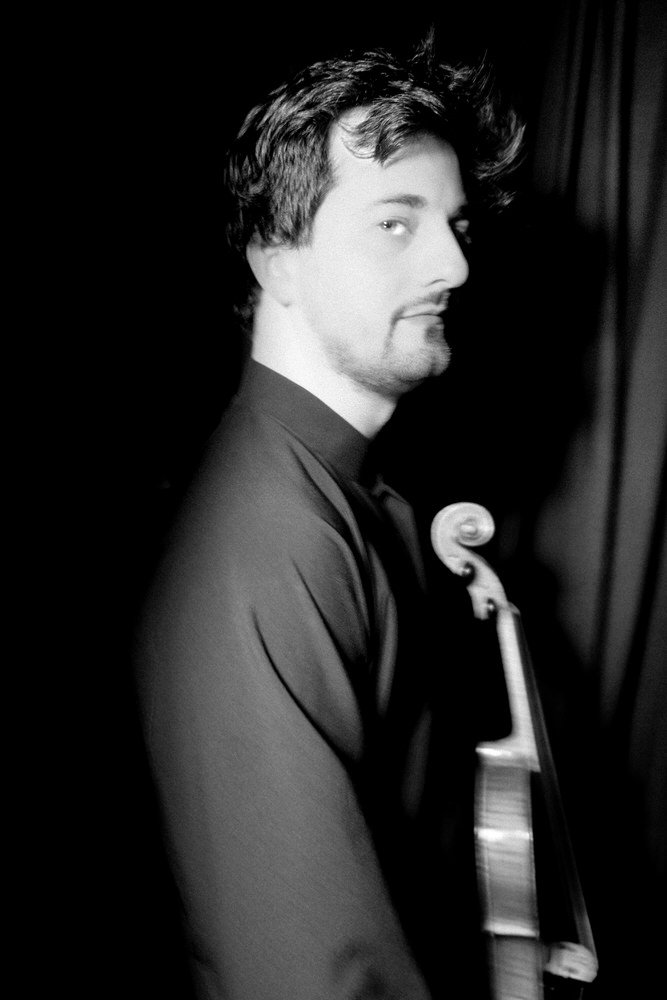
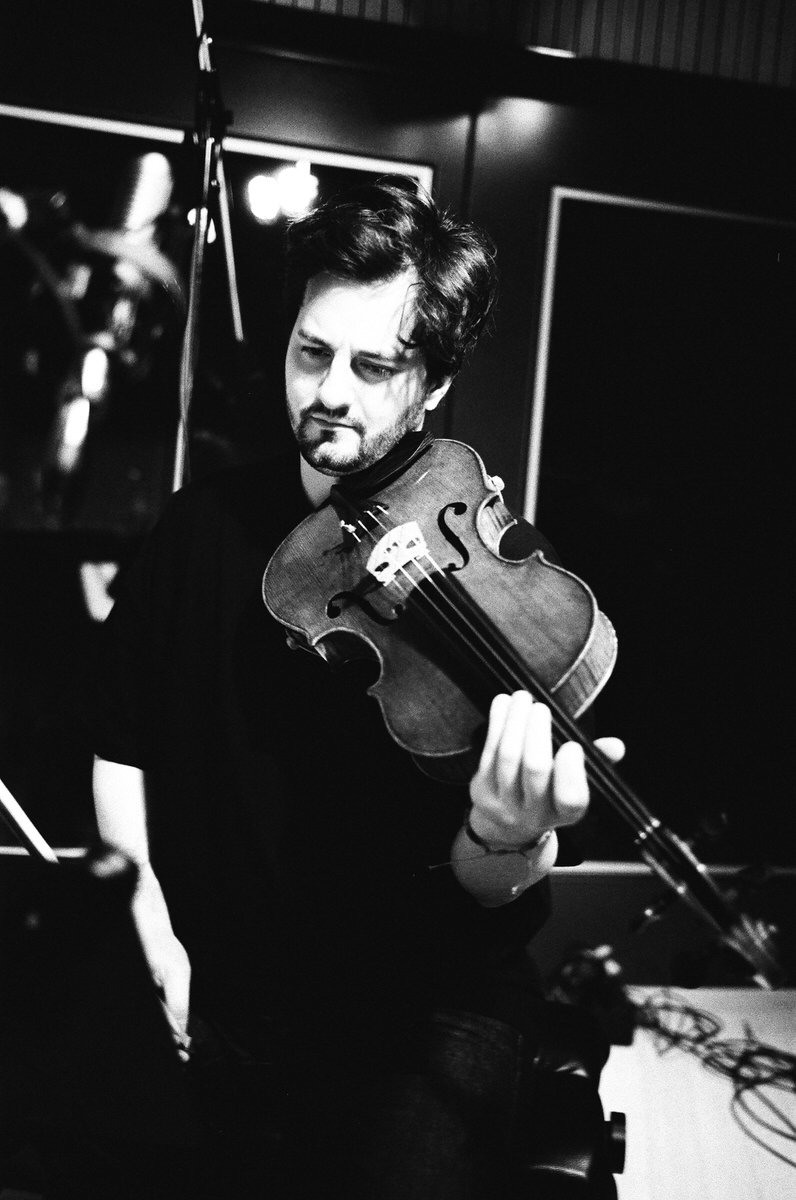
Freddy Contreras | Viola
Photo By Julián De La Chica
Two Quartets
and a World
Between
If Quartet No. 1 reflects inward, its successor faces the world’s disarray. Composed in 2017 without commission, String Quartet No. 2 arrived during a period of exhaustion — political, personal, planetary. “Everything felt hopeless,” he recalls. “It was like watching our self-destruction in real time.”
Where the first quartet moves through cycles of birth and decay, the second begins amid ruins and refuses to pretend otherwise. Silence dominates; motion appears as fevered bursts, as if the music were trying to outrun collapse. “Maybe it’s not darker,” De La Chica says. “Maybe it’s just realistic.”
Yet even within its severity, there’s tenderness. The music moves at the rate of thought rather than pulse. Its fragility is its strength. De La Chica describes silence here as “a new luxury” — something rare, almost endangered — and the quartet is full of pauses that force you to experience that luxury. “We live surrounded by noise,” he says. “Real silence has become rare — and radical.”
De La Chica’s process demands the same radical honesty from the performers. He writes in extremely slow tempos, asking the players to sustain long notes with almost no vibrato, perfectly aligned. On paper it looks simple; in the body it’s punishing. The goal isn’t prettiness — it’s exposure. The composer even told the players, bluntly, that the sound must feel exhausted — that there should be “no hope” left in it. The quartet’s surface austerity isn’t an aesthetic stunt. It’s an ethical stance.
Around this time De La Chica wrote Summa, for string quartet and keyboard — a meditative counterpart inspired by Thomas Aquinas’s Summa Theologica. Summa sits alongside the two quartets like a reflective coda. Here, he folds in the electronic and recorded sounds that are also part of his voice. “The keyboard gives breath to the strings,” he says. “It opens another dimension, like the spirit that moves inside the sound.”
Taken together, these three works form a kind of triptych: life, aftermath, and reflection. The first quartet traces the interior landscape; the second, the world’s fractured mirror; Summa gathers what remains into stillness. They are concise but unhurried, existing in a suspended present tense. In De La Chica’s world, silence isn’t absence — it’s the field in which sound becomes visible.
After the
Beauty
De La Chica’s relationship with time is patient, almost devotional. He doesn’t rush a piece into the world. Some projects, he says, announce when they are ready — and until that moment, he holds them back. The quartets waited nearly a decade for that moment.
He reached out to ensembles, and some reached out to him — but many found the work too minimalist or solemn, and others didn’t resonate with its sonic philosophy. He talks about how difficult it was to find a quartet “in the middle”: not a purely canonical Beethoven/Shostakovich machine, not an aggressively experimental noise unit, but a group that understood color, pacing, and silence as living material.
The turning point arrived when virtuoso Cuban pianist Ahmed Alom commissioned Canciones de la Muerte for string orchestra — a work De La Chica dedicated to Alom’s wife, Mexican mezzo-soprano Rosario Armas. Later, a piano version became her debut album.
At that premiere, violinist Manuela Romero — founder of the Kahlo Quartet — was captivated. She asked if he had quartets, explaining she first needed to share the music with her colleagues; if they resonated as well, she would champion the project. This was the moment the quartets found their natural home.
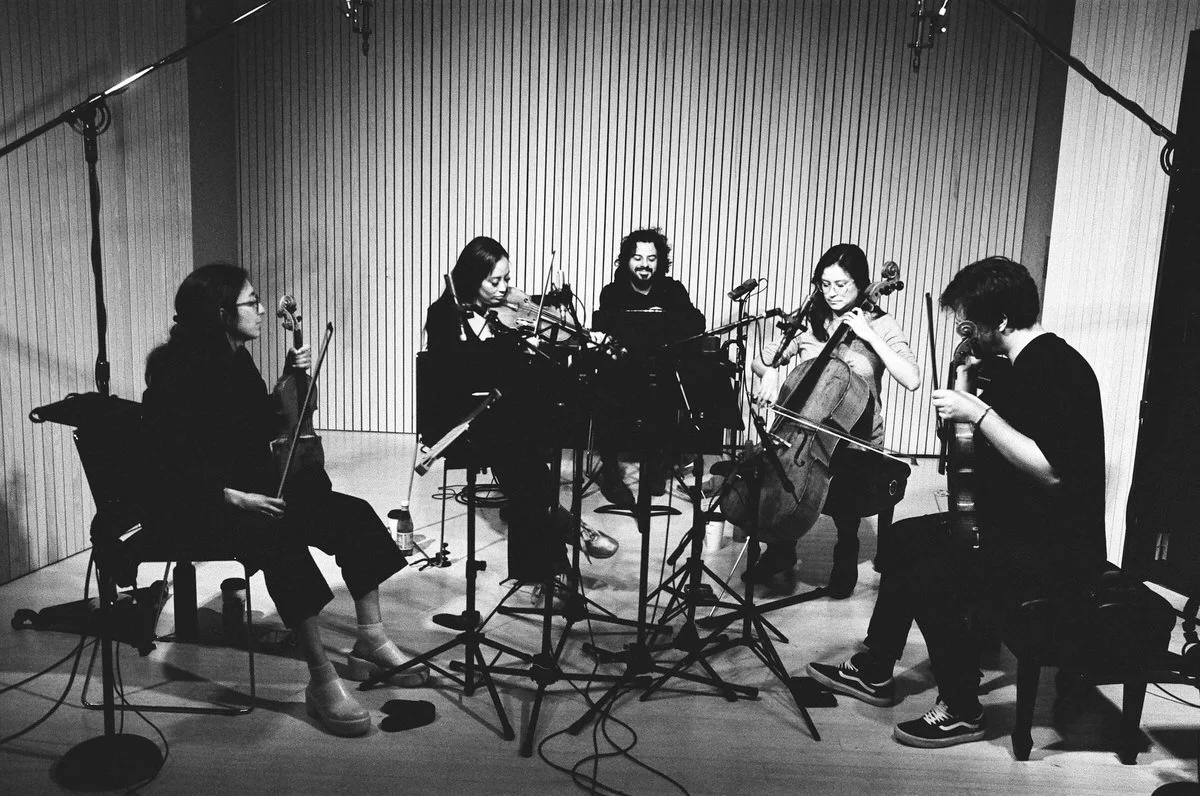
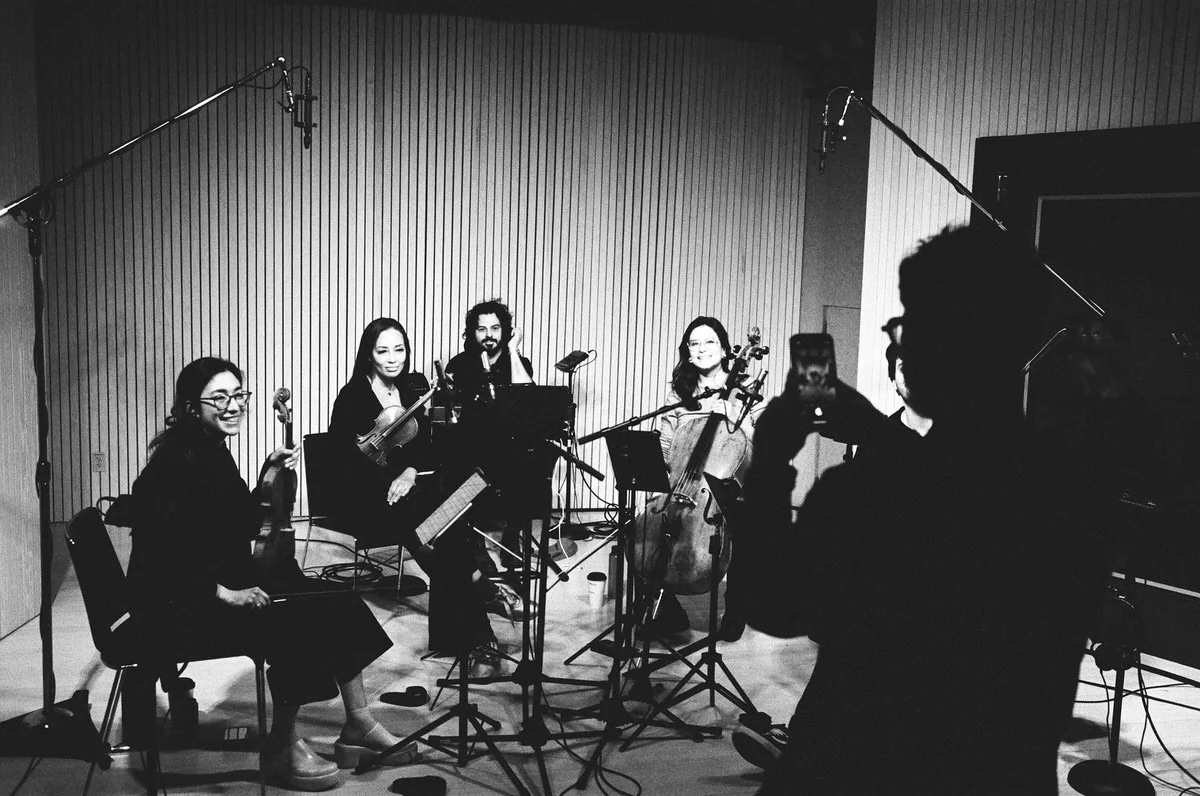
The Kahlo Quartet — Audrey Lee (United States), Manuela Romero (Cuba), Freddy Contreras (Venezuela), and Andrea Beltrán Landers (Peru) — bridges the classical canon with the musical voices of Latin America. What mattered to De La Chica wasn’t only their programming identity but their attitude toward sound. He felt they approached the music more as philosophy than mere “performance.”
And so these quartets feel less like new compositions than rediscoveries: sounds that were always there, waiting for their moment to be heard. They invite us to slow down, to notice the fragile grain of sound, the way silence holds it. Before the first note, the stillness of the hall already feels charged. The audience leans forward, uncertain if the music has begun. When it ends, that same stillness remains — transformed, resonant, full.
Kahlo Quartet
Photo by Julián De La Chica
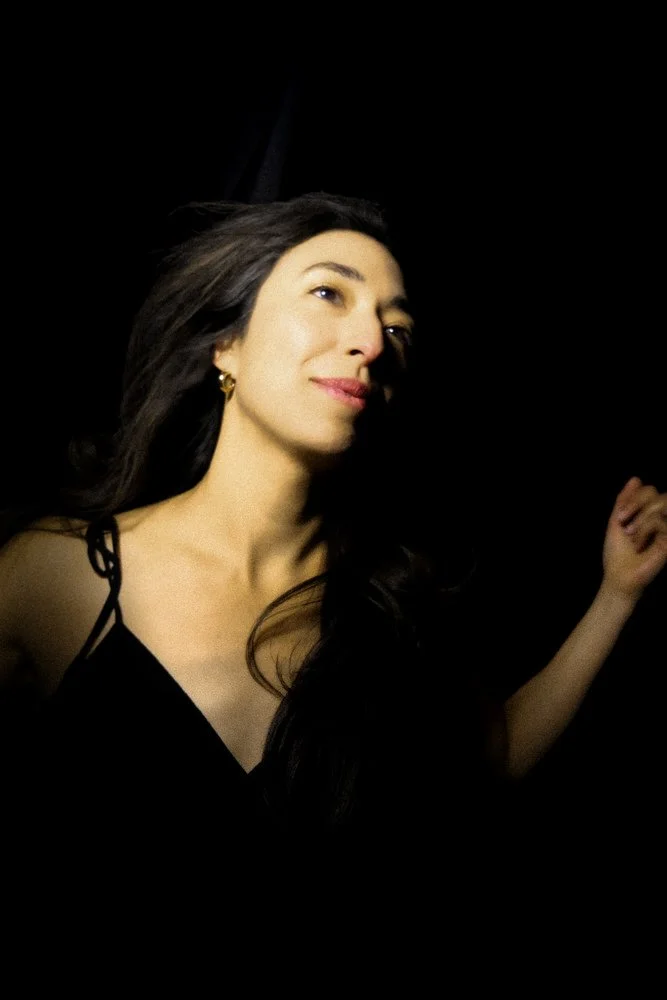
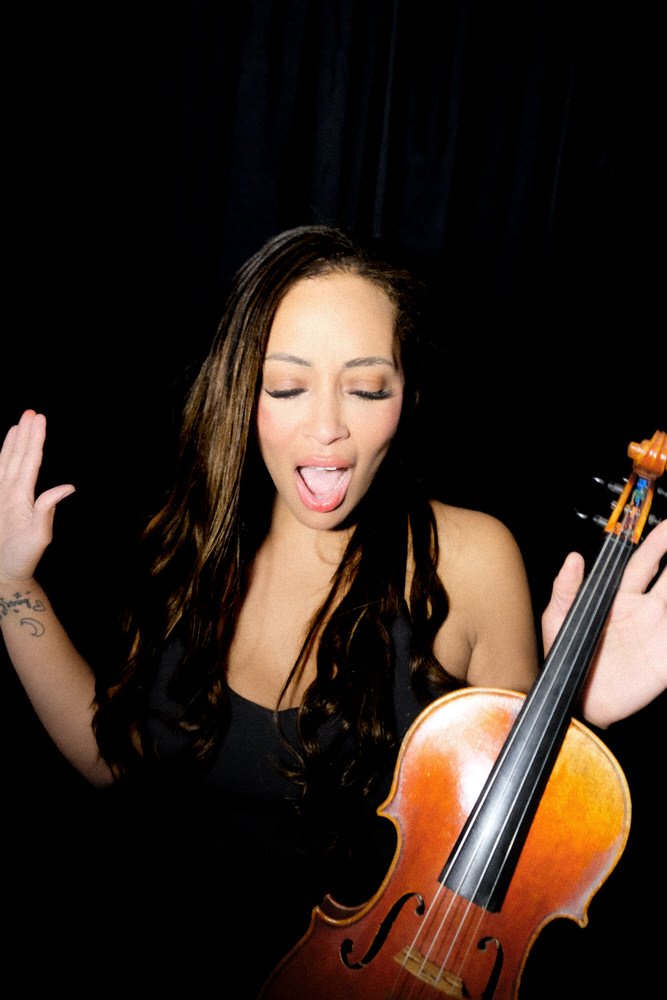
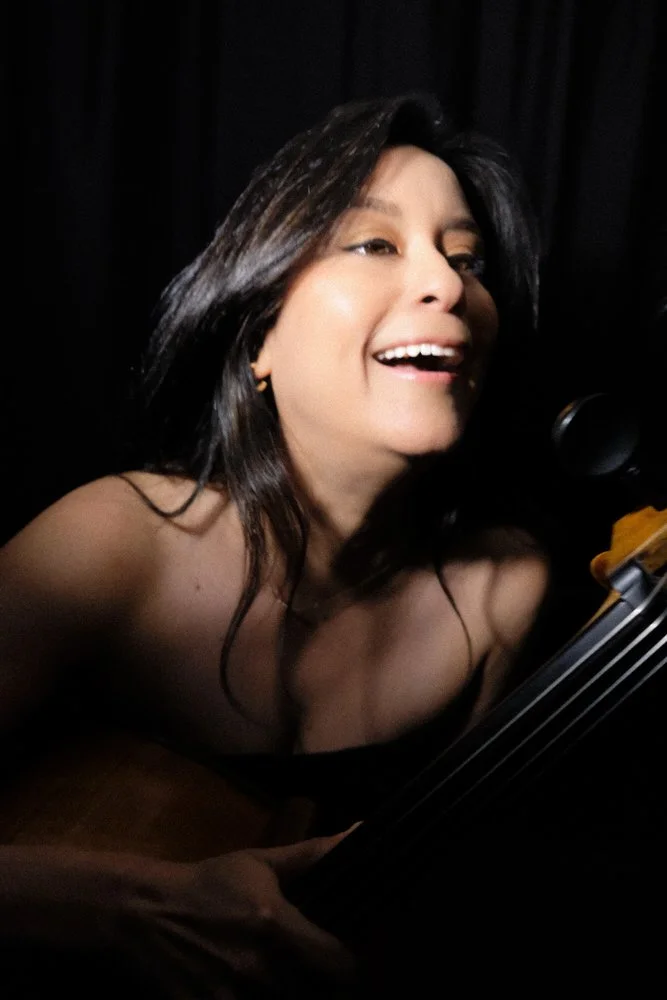
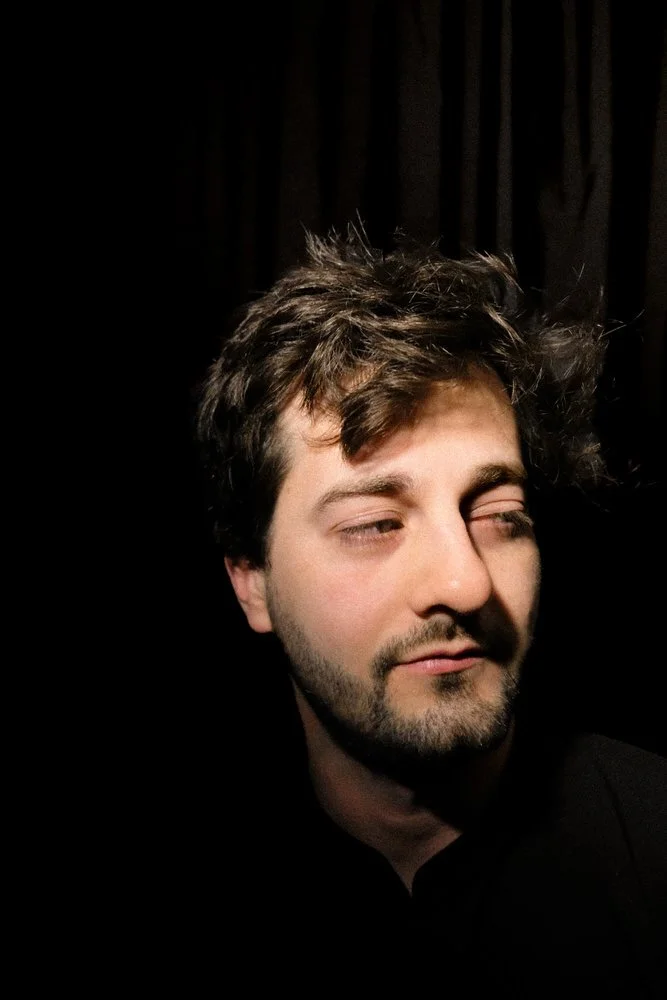
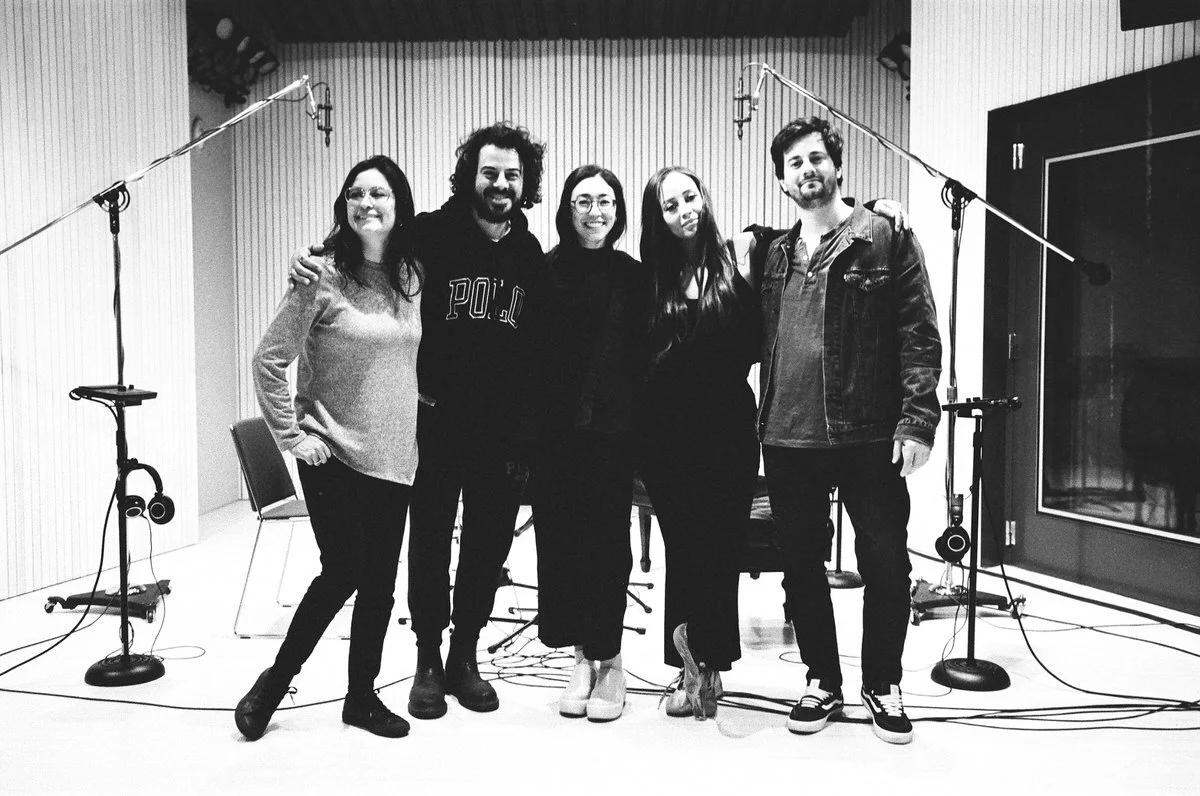
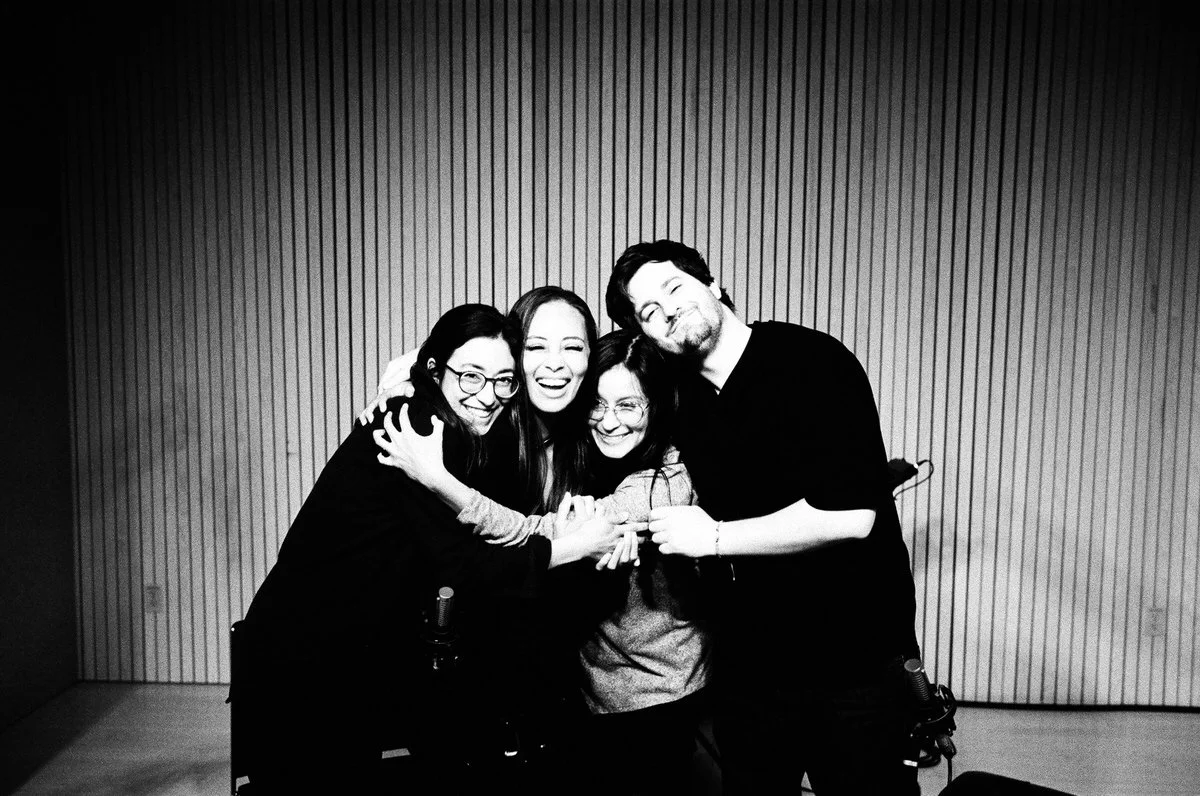
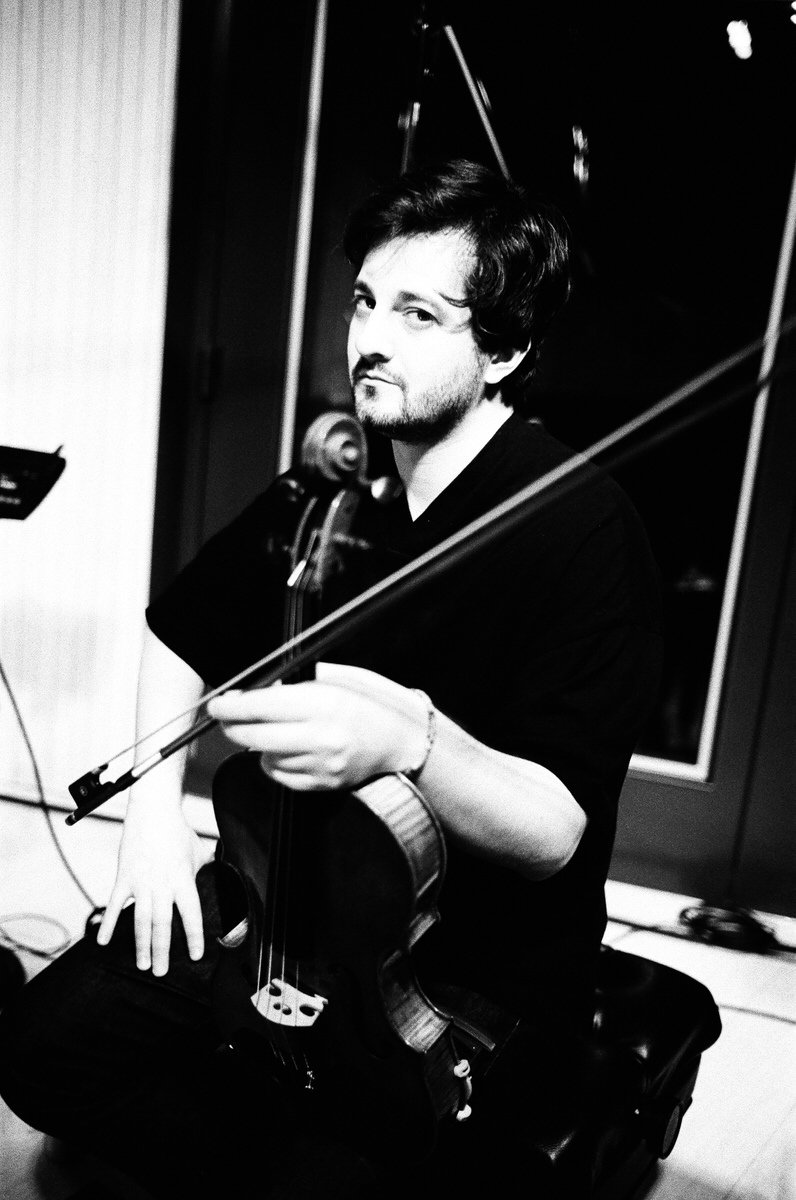
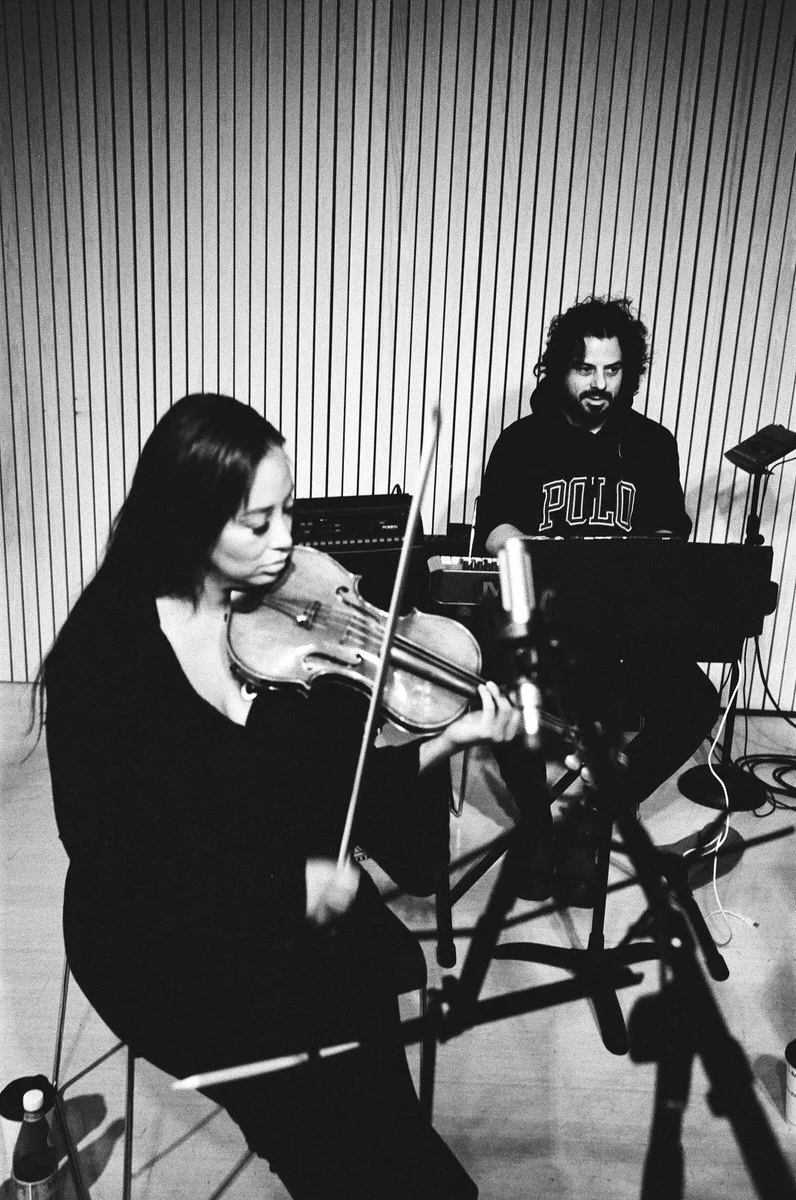
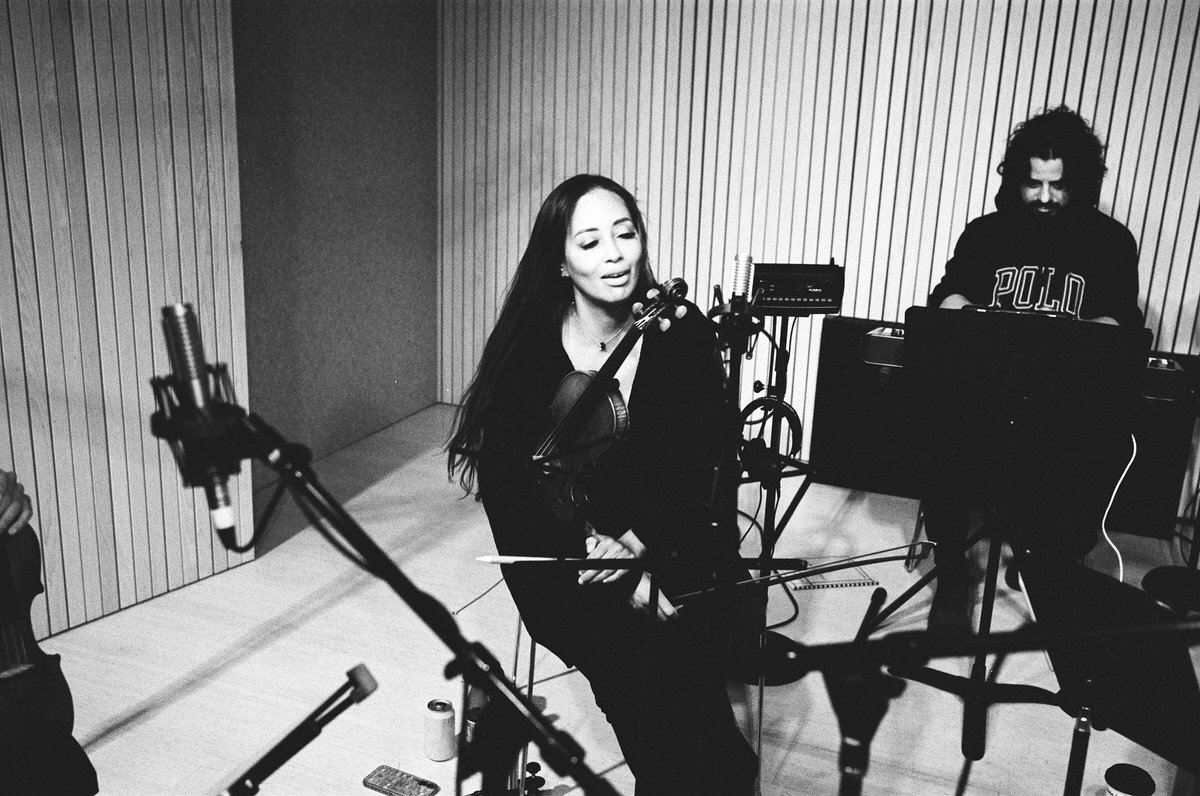
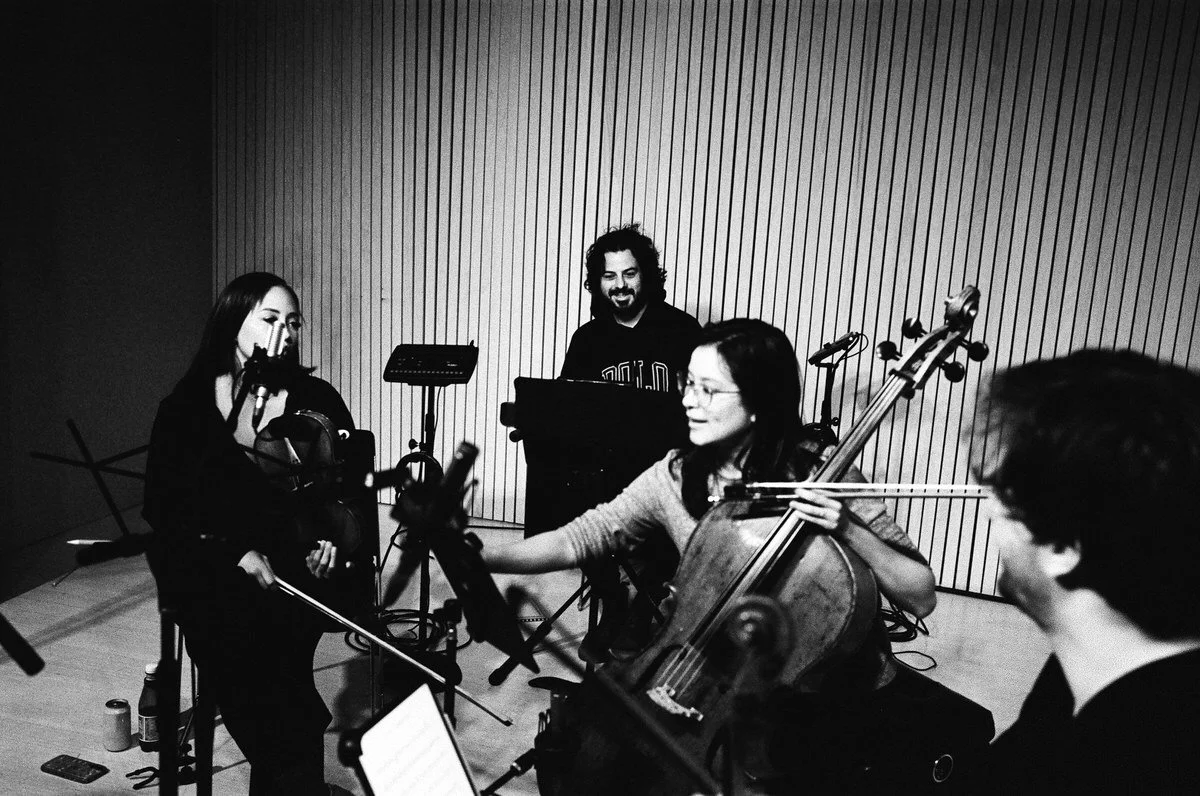
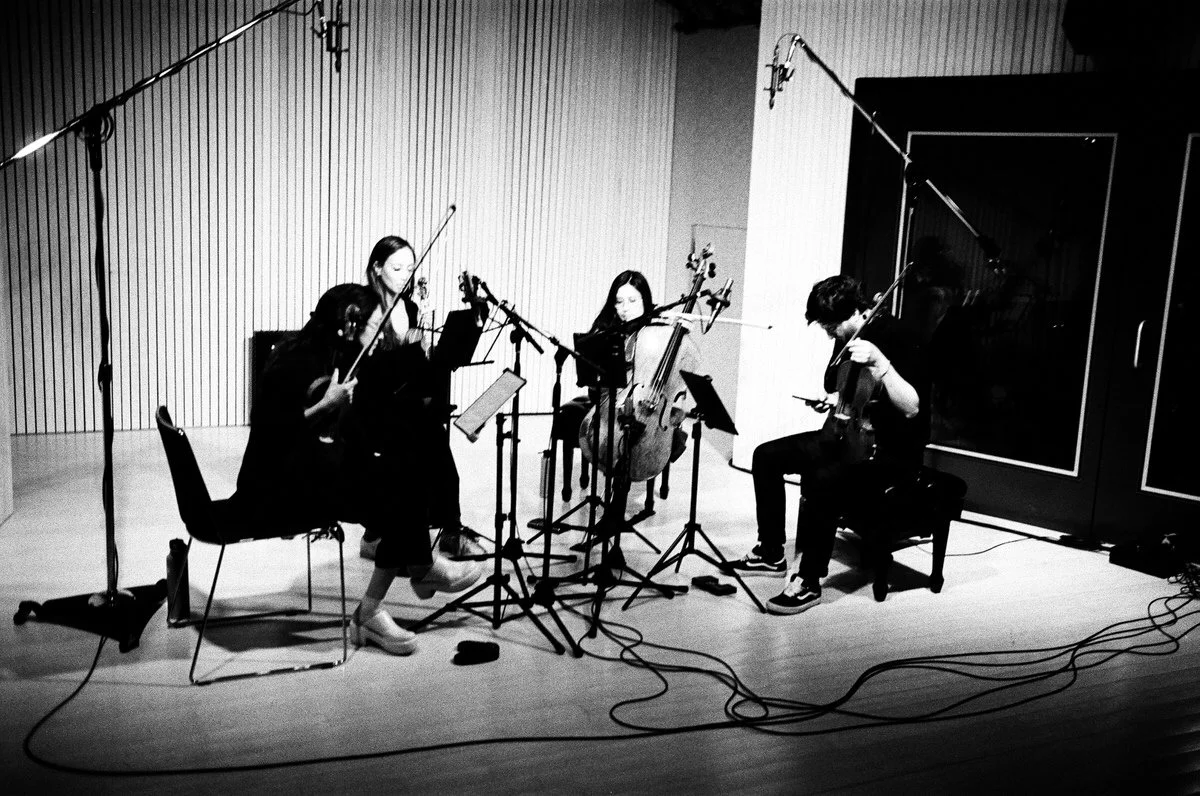
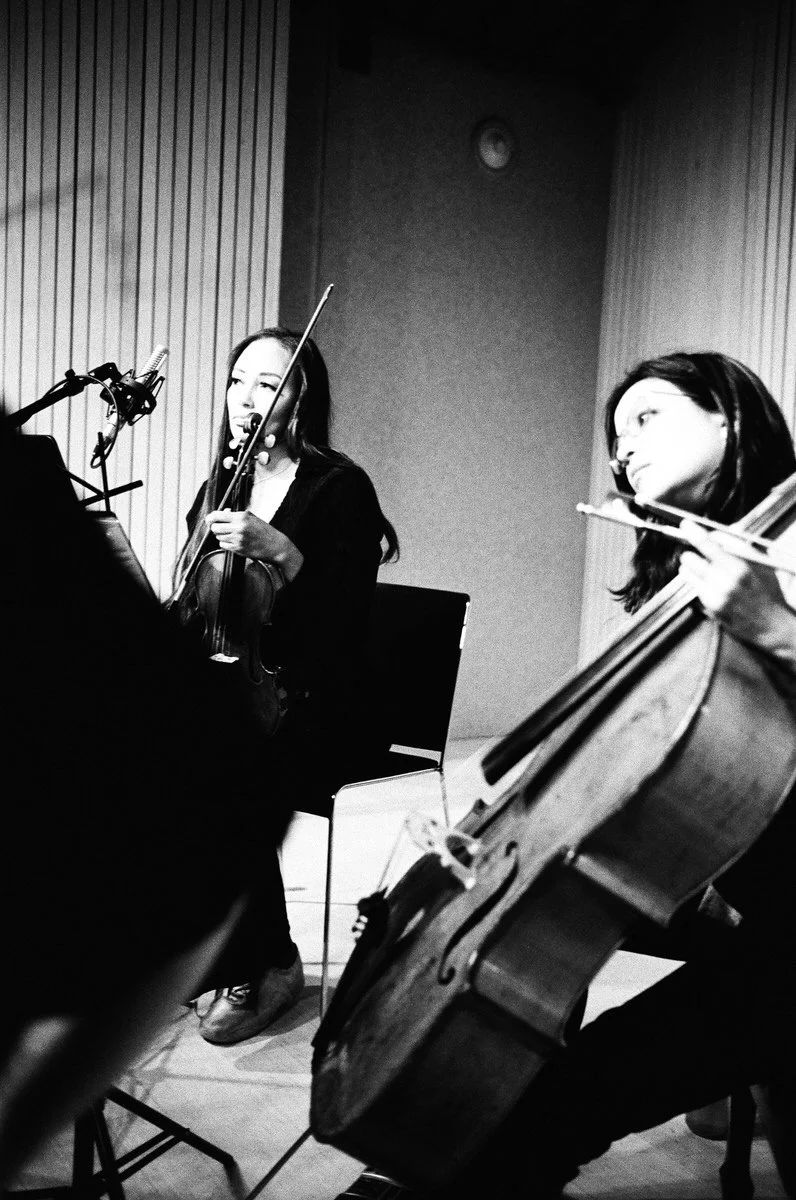
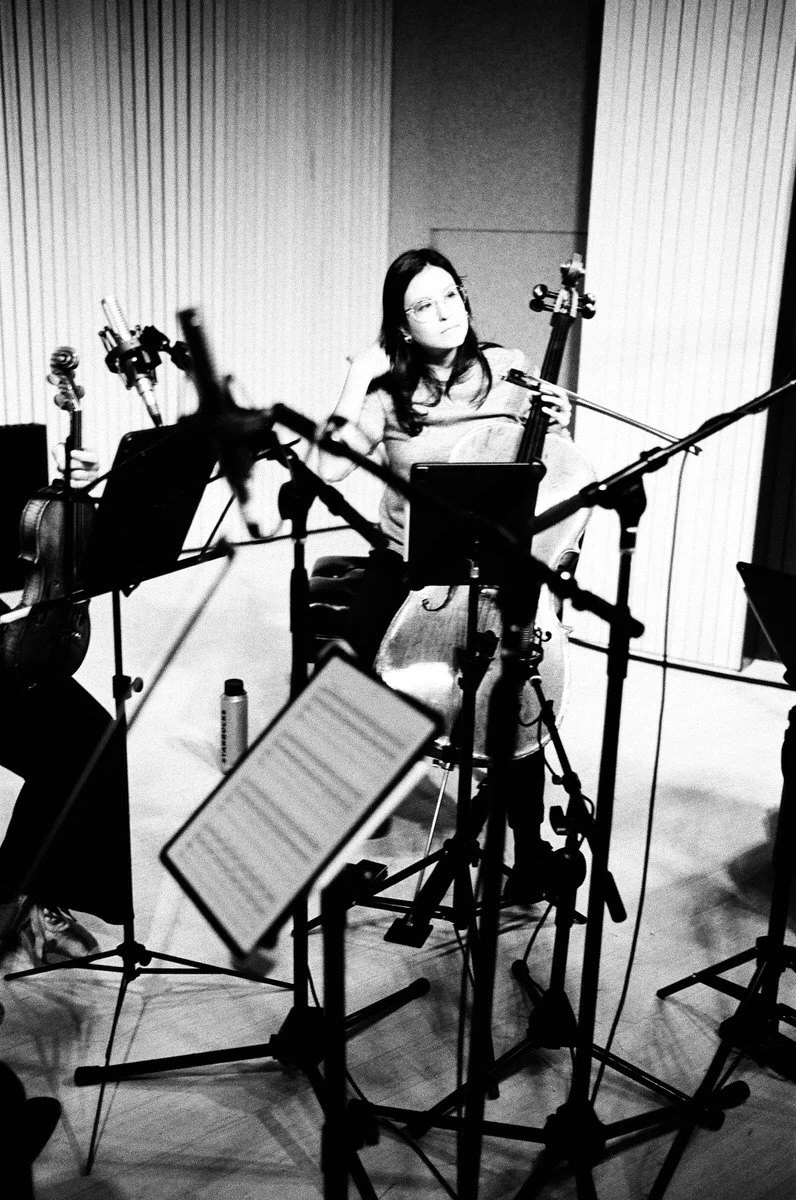
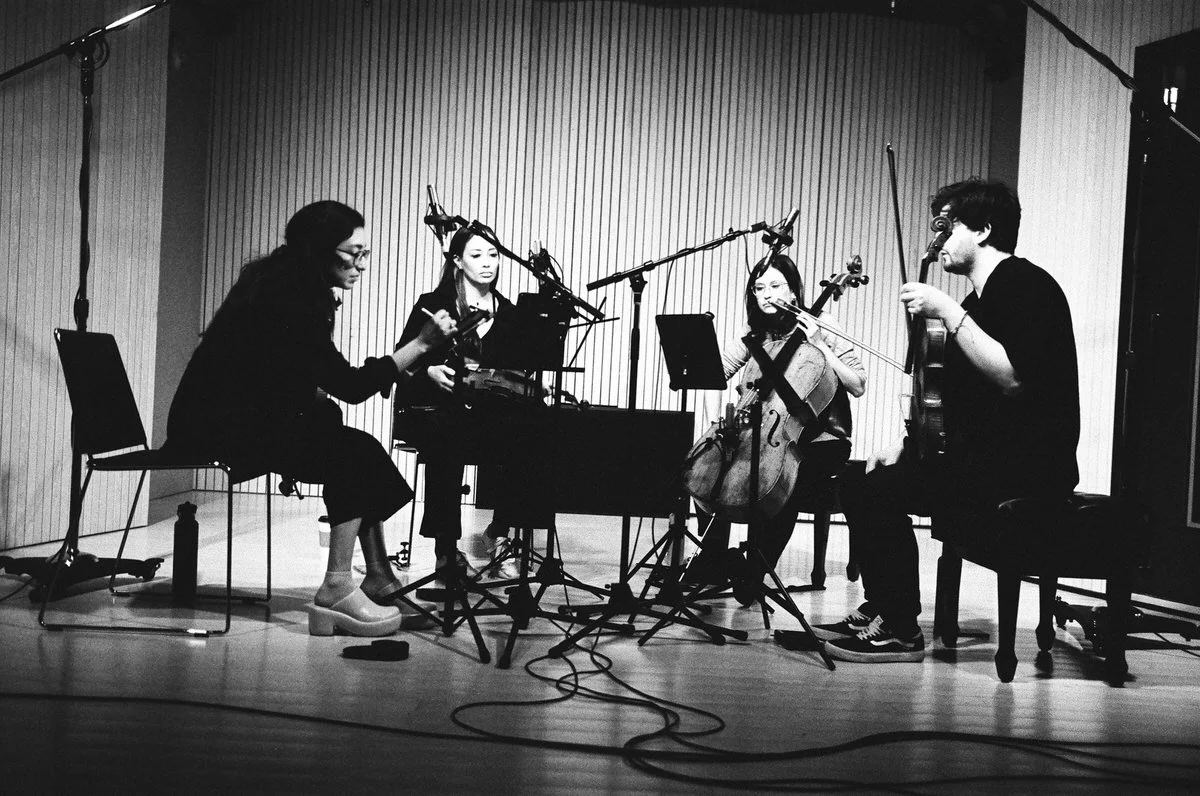
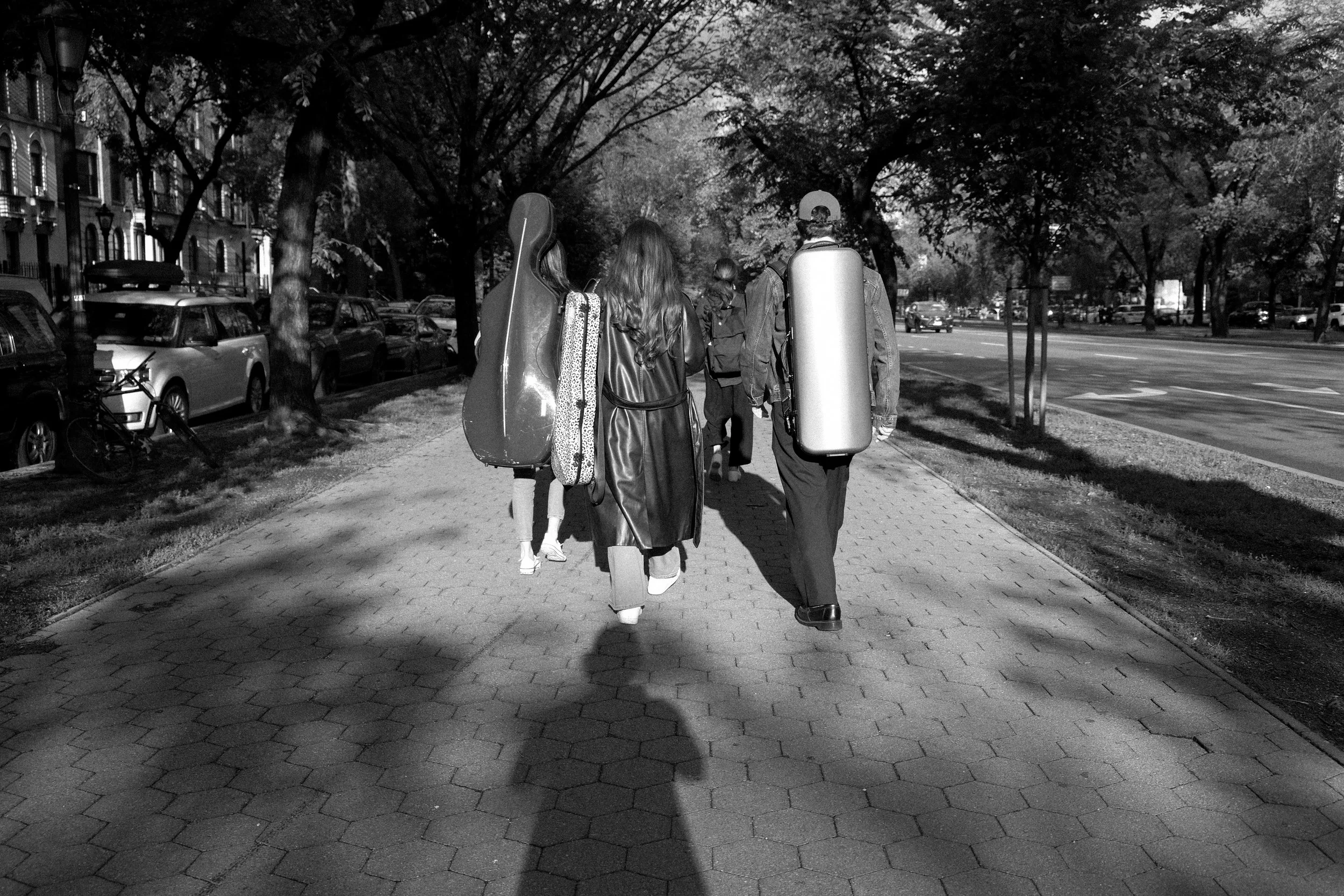
They recorded the complete cycle at Firehouse 12 in New Haven, a studio known for its intimate acoustics and unforgiving honesty. They met in New York before dawn, traveled together to Connecticut, and recorded until well past 9:30 PM — entire cycles repeated to chase the precise tension between focus and fatigue.
By evening, the players were physically spent from sustaining those exposed, slow tones, and that exhaustion itself became part of the sound he wanted. De La Chica often stopped them earlier in the day when the playing sounded “beautiful,” asking instead for less polish, more surrender — until the music reached the hopeless, exposed atmosphere he had imagined on the page.
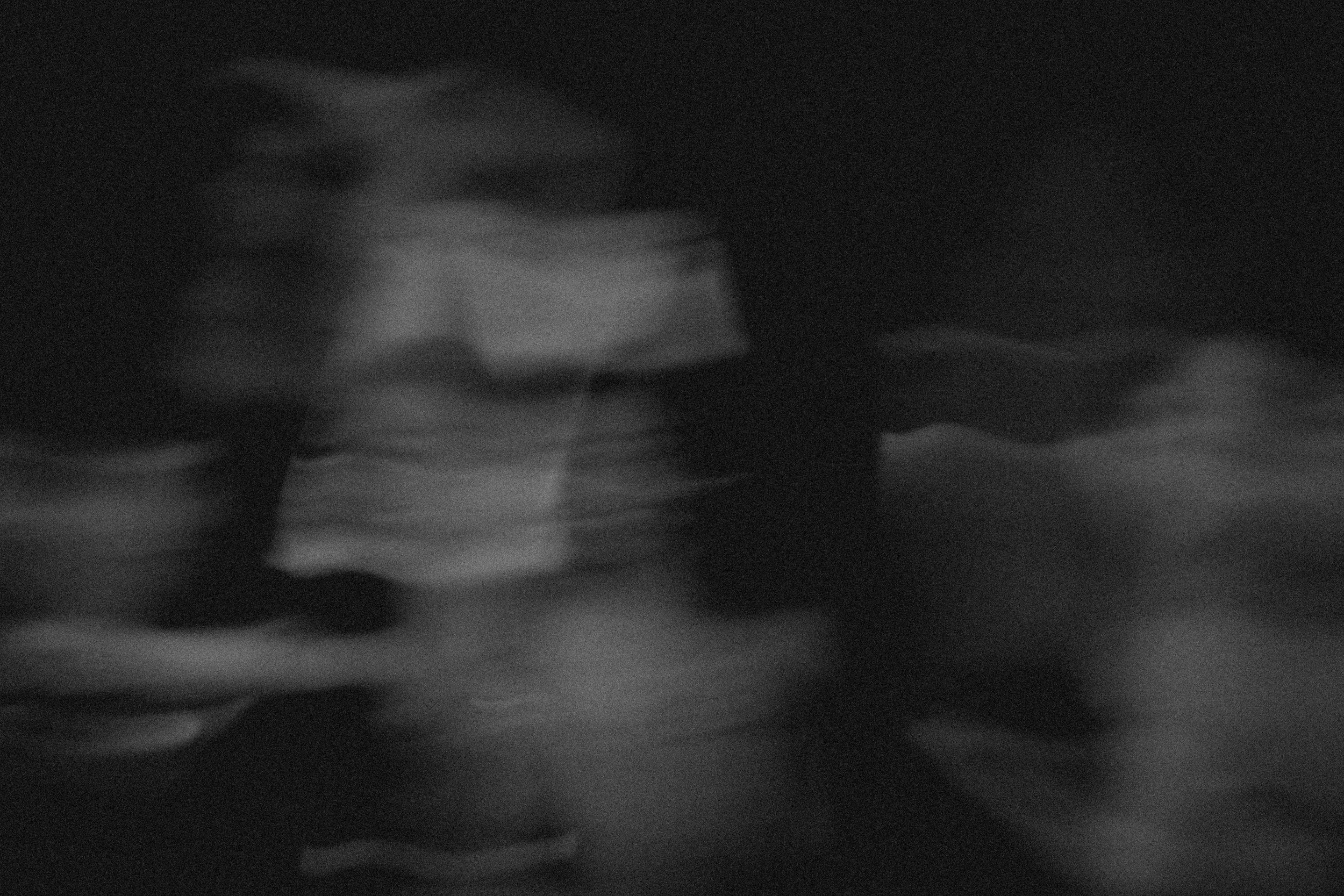
Take 147. Movement. Exercise II.
Based on String Quartet No. 2, Op. 7: Cycle II
In that sense, the recording documents not just two scores and a coda, but a way of playing. It captures what the composer calls the “rawness” — the reality of something alive and already dying.
Hearing the two quartets together, one senses candor rather than despair. The first begins with birth and ends in dissolution; the second begins already amid ruins. Yet both carry the same quiet endurance — the sense that continuing to sound at all is itself an act of resistance.
De La Chica’s influences — Shostakovich’s inward gravity, Beethoven’s spiritual courage, Haydn’s restraint, Glass’s luminous patience — are all refracted here. But his own path diverges from all of them. Minimalism often builds motion; he pares it away. Romanticism swells; he lets it fade. These quartets inhabit the liminal space between expression and disappearance, faith and fatigue.
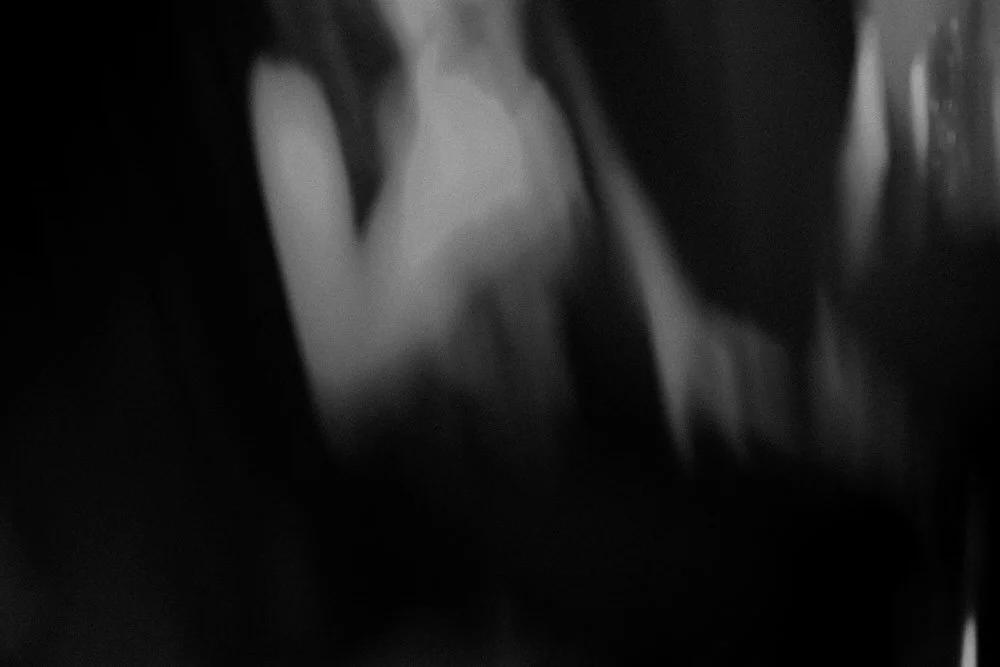
Take 005. Introspection. Exercise X
Based on String Quartet No. 1, Op. 7
Cycle I
For De La Chica, the music decides its own timing. Some works wait for years — quietly — until the performers, the context, even the world itself are finally ready for them.
That belief shapes everything he does. Poemas de Bar waited nearly a decade for its singer; Canciones de la Muerte emerged in a single day — as if summoned by its voices. Some music waits. Some insists. His films and preludes evolve by seasons rather than schedules. Patience, for De La Chica, isn’t delay — it’s devotion.
And so these quartets feel less like new compositions than rediscoveries: sounds that were always there, waiting for their moment to be heard. They invite us to slow down, to notice the fragile grain of sound, the way silence holds it. Before the first note, the stillness of the hall already feels charged. The audience leans forward, uncertain if the music has begun. When it ends, that same stillness remains — transformed, resonant, full.
Two notes tremble in the dark. Between them, the rose opens once more — beautiful, dying, and utterly alive.
About the author

Thomas May is a Seattle-based arts writer, critic, educator, and translator whose work also appears in publications including The New York Times, The Seattle Times, Gramophone, Opera Now, Musical America, Classical Voice North America, Chorus America’s The Voice, and Early Music America’s EMAg. The editor of Lucerne Festival’s publications in English, he also writes program essays and notes for the Pierre Boulez Saal in Berlin, the Ojai Festival, the Aspen Music Festival, the Hong Kong International Arts Festival, and the Juilliard School, as well as leading orchestras and opera houses.
BTS | Interview
Kahlo Quartet According
to Julián De La Chica
Movement, Image,
Sound, and the
Dissolution of Time
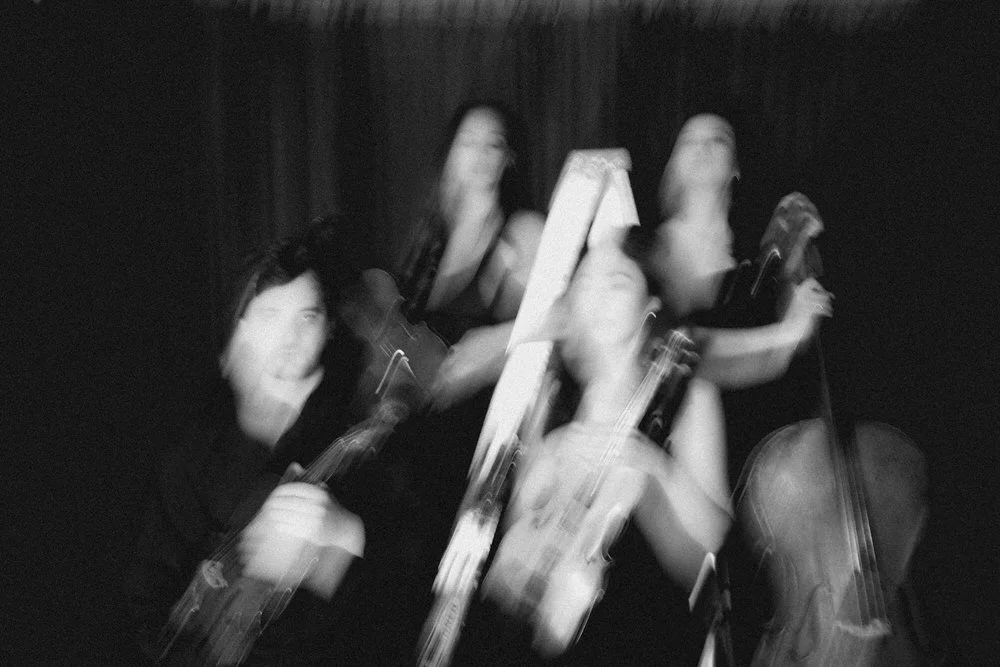
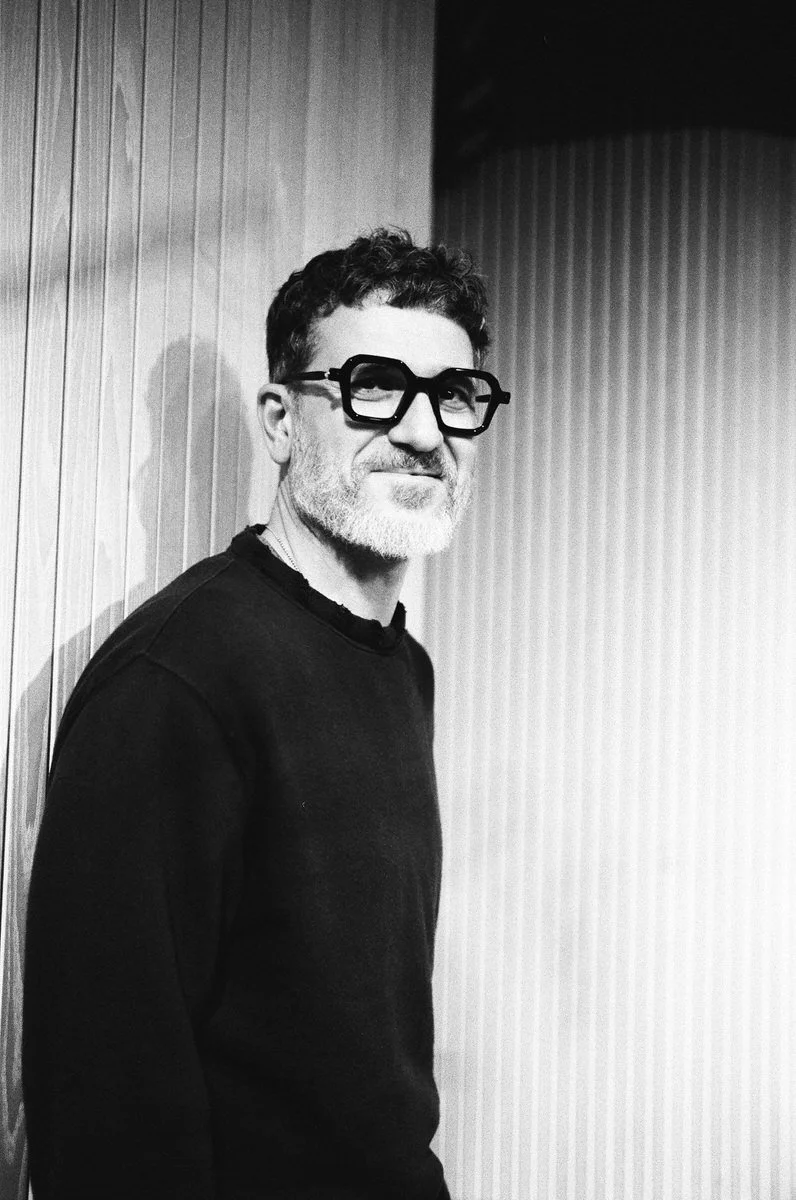
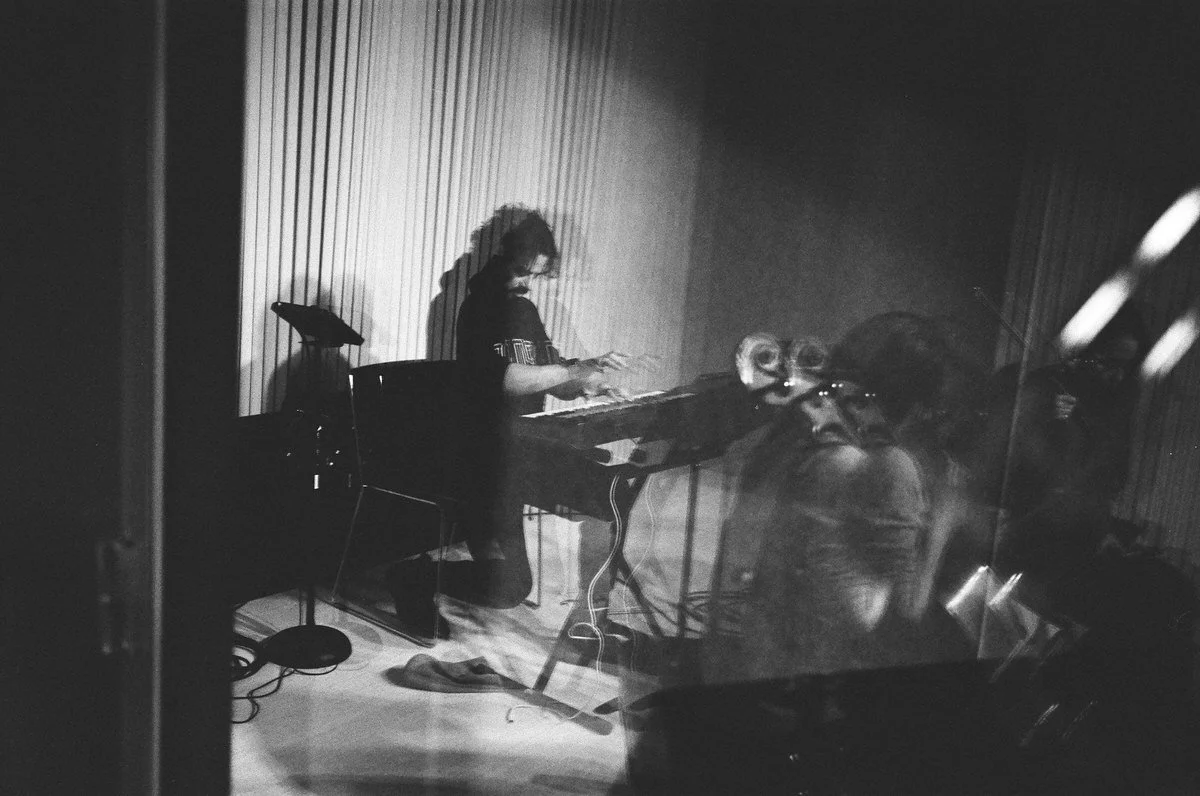
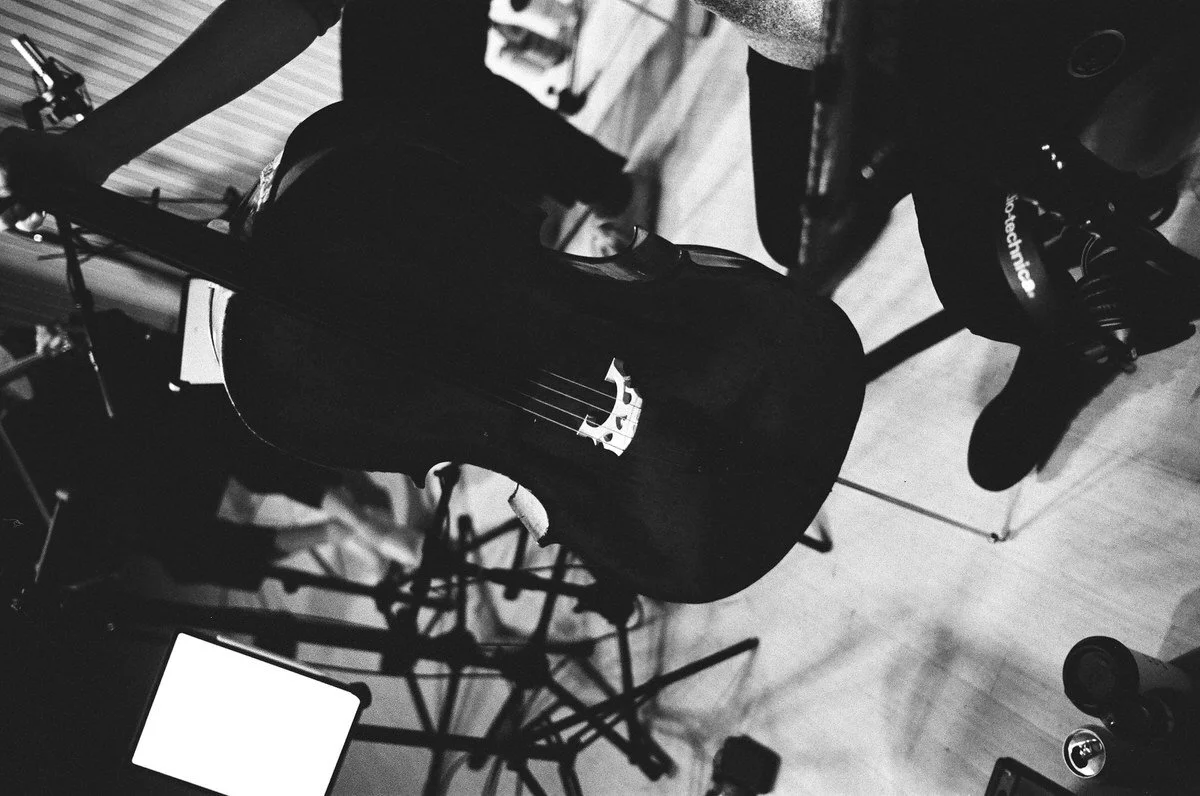
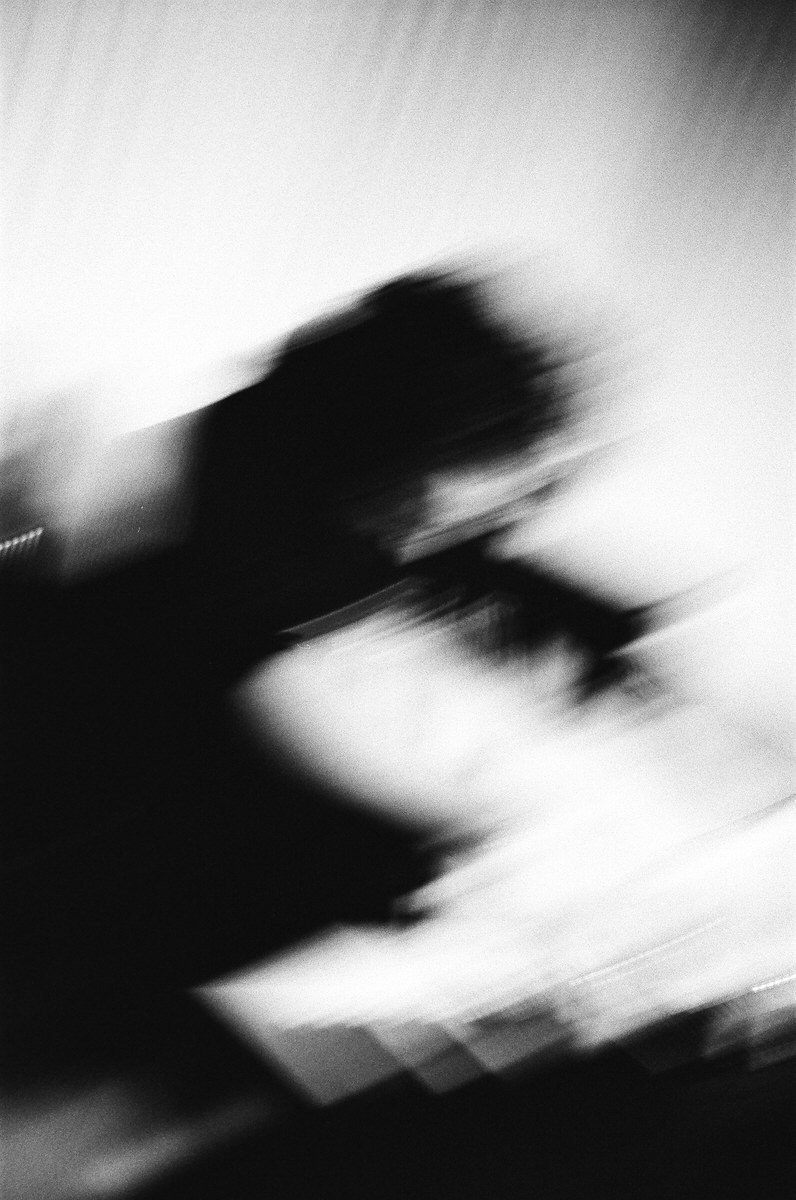
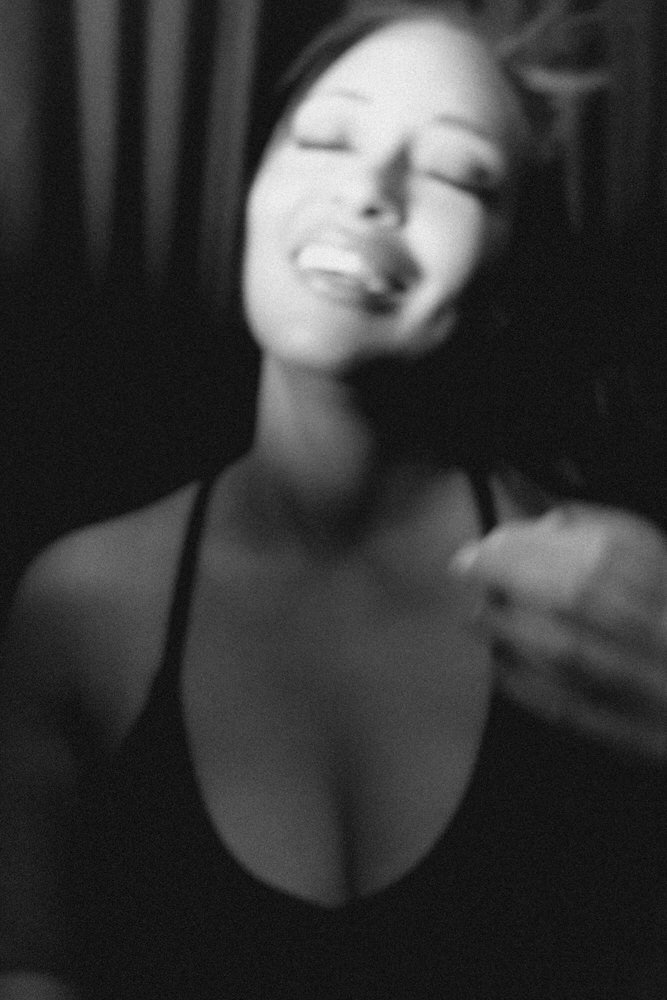
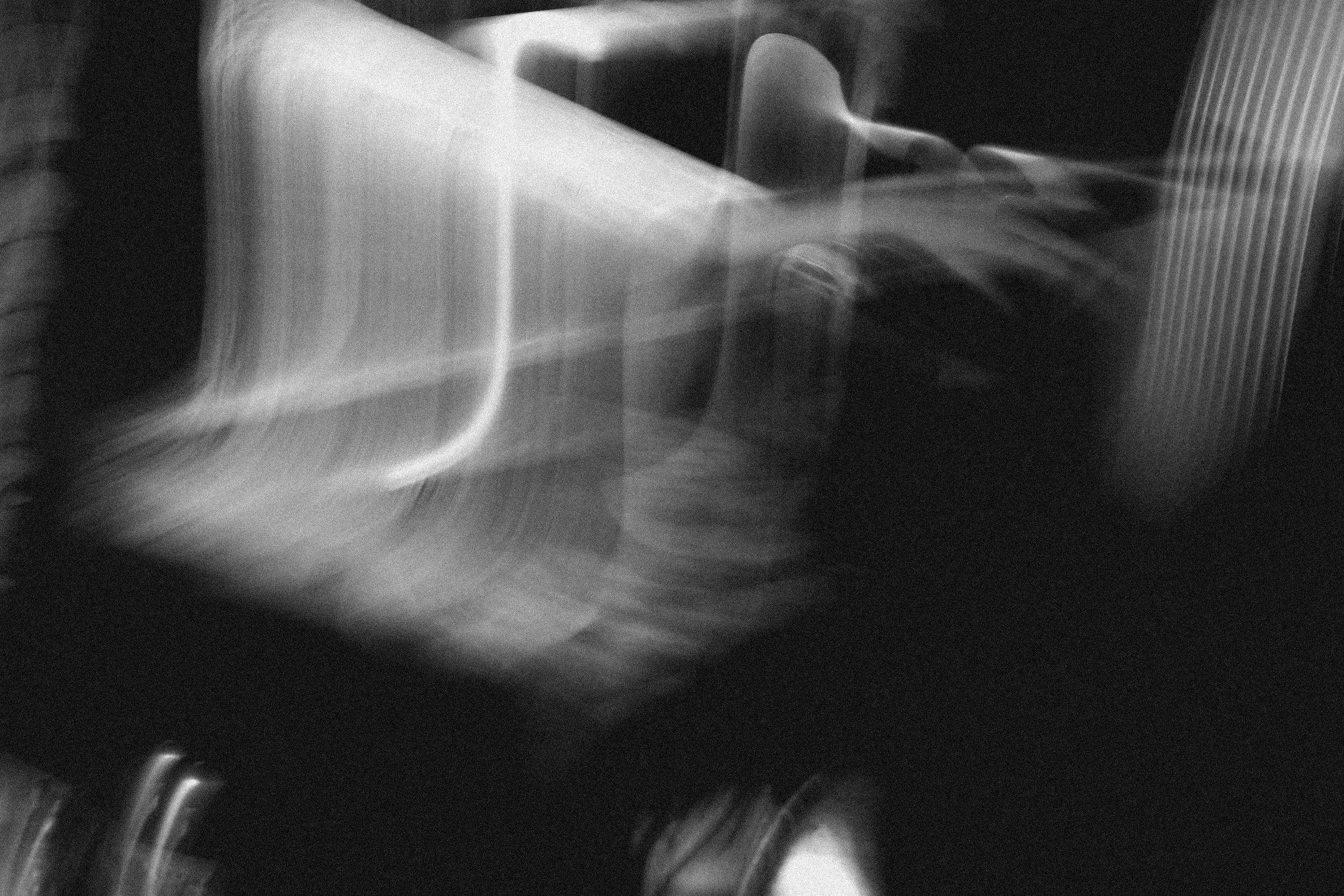
In this photographic exploration, Julián De La Chica approaches the string quartet beyond its musical form, transforming movement into image and sound into visual memory. Through intentional blur, optical distortion, and the instability of light, the musicians emerge as fragmented presences, suspended between visibility and disappearance.
These visual distortions are created entirely in-camera, through the physical manipulation of light, movement, and specialized photographic lenses, rather than digital effects or post-production. Blur becomes a deliberate photographic language, allowing time, gesture, and light to interact directly within the image.
Here, photography becomes an extension of the compositional process. Just as sound unfolds through repetition, silence, and gradual transformation, the image resists permanence. The body dissolves, movement leaves its trace, and time becomes something neither entirely seen nor heard, but experienced.
The photographs do not seek to document the quartet. They explore what remains of music when the body dissolves, movement becomes memory, and silence acquires a visible form.
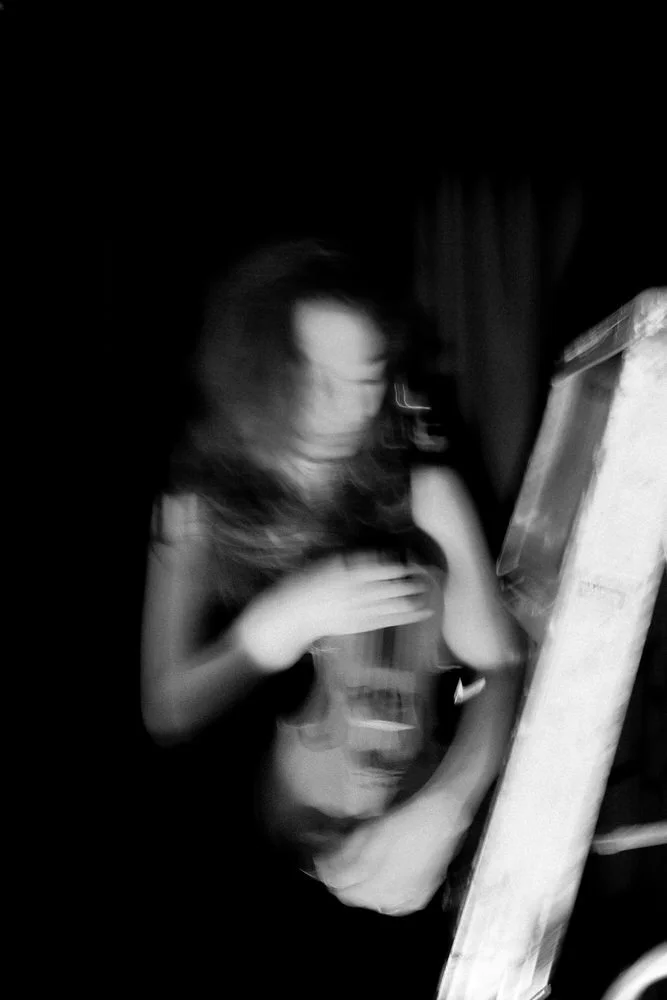
Take 037. Audrey Lee
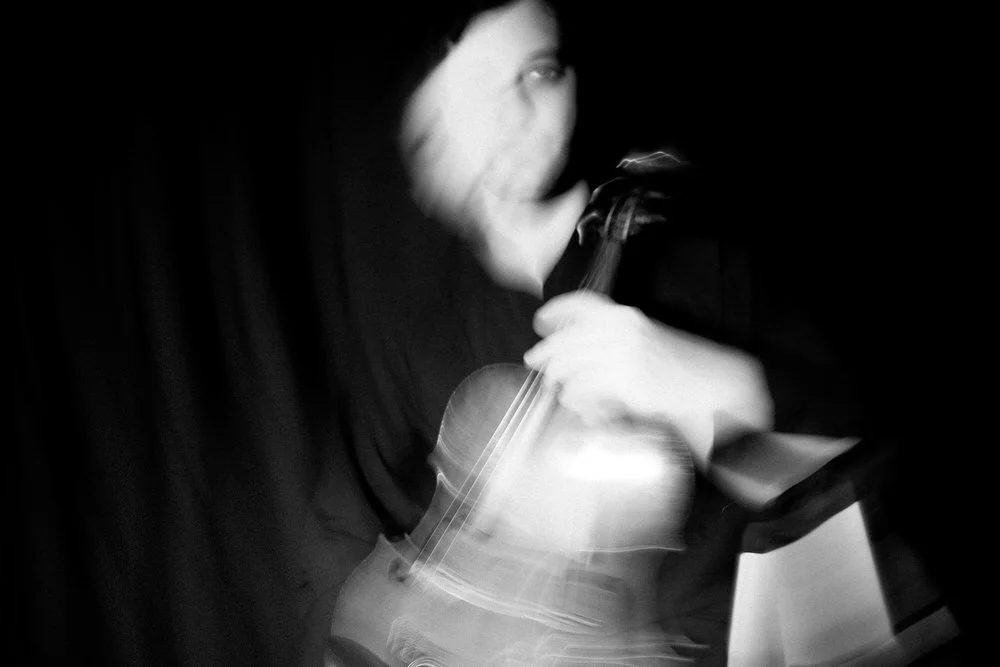
Take 040. Freddy Contreras
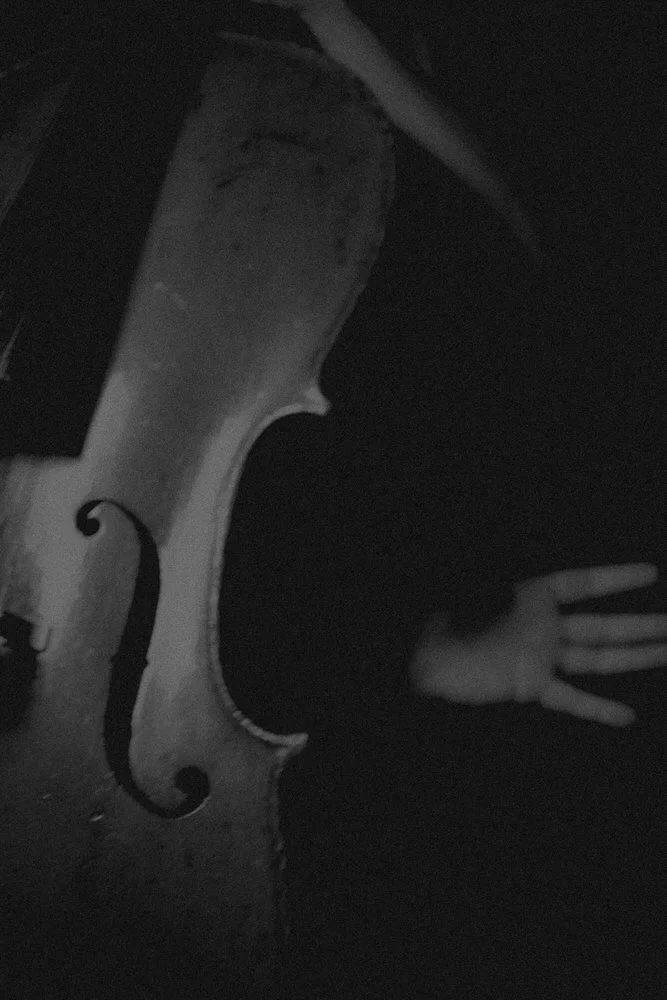
Take 137. Andrea Beltrán
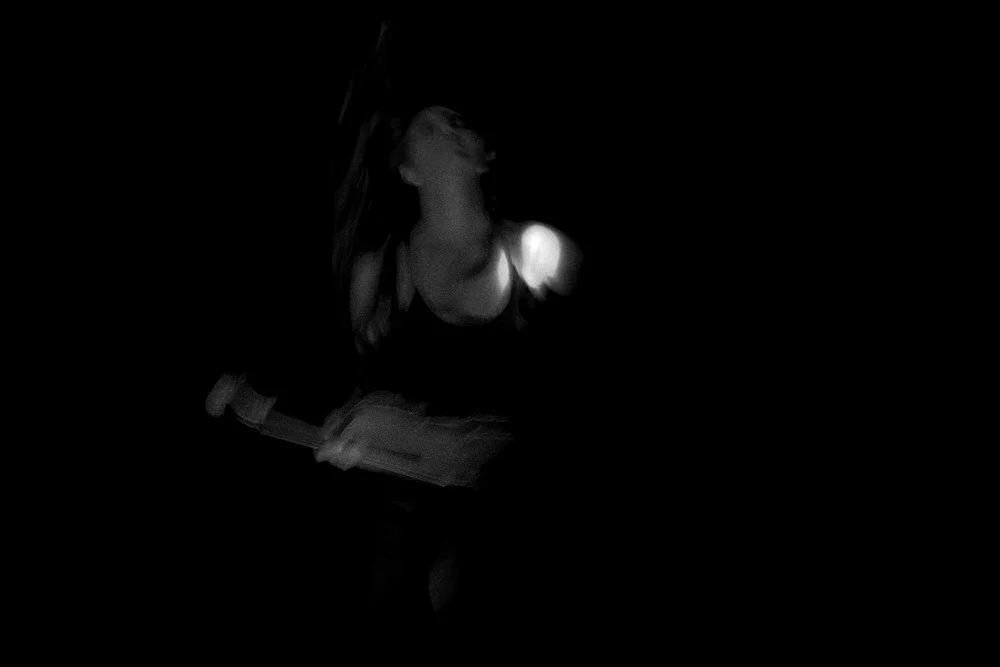
Take 022. Manuela Romero