
Julián De La Chica unveils the first trailer for his third fiction film, PIRET
← Return to NEWS
Shot entirely on Kodak Double-X 7222 Super 16mm, PIRET marks De La Chica’s first work on photochemical film. Set in 1970s New York, the film follows a young Estonian immigrant and single mother who arrives in the United States after leaving Soviet Estonia. While rebuilding her life within a home for unmarried mothers run by a community of Catholic nuns, she finds herself confronted by the persistent presence of a mysterious woman whose appearance gradually destabilizes the fragile reality she has constructed.
● Read More: A new chapter begins. IGM Lab Podcast
The origins of PIRET can be traced to filmmaker and cinematographer Liliet Reyes, who initially approached De La Chica to develop a documentary centered on his piano cycle Los Silencios Fatuos. Their conversations gradually evolved into the conception of a new fiction film. Cuban filmmaker and cinematographer Anyelo Troya subsequently joined the project, encouraging the decision to shoot on Super 16mm and helping establish the visual language that ultimately defines PIRET.
The creative team was later joined by Cuban-born, Chile-based colorist Ignacio Cabrera of ALIWEN COLOR Media Studio, whose monochromatic grade transforms the material texture of black-and-white film into an image suspended between memory and disappearance, evoking a New York that exists less as a historical reconstruction than as a psychological landscape. Taiwanese sound designer Kevin Yang approached the film’s sonic world as a narrative presence in itself, constructing an intricate environment in which ambient sound, silence, and microscopic sonic detail emerge as an unseen character that continuously accompanies Piret’s emotional journey. Colombian VFX artist Fausto Díaz completed the team.
Starring Estonian artist Anni Jürgenson, alongside Colombian performance artist and activist Chico Raro in a special appearance as Maestra Gertrudis, PIRET continues the formal vocabulary that has gradually emerged throughout De La Chica's cinematic work: black-and-white imagery, the 4:3 frame, long-duration takes, repetition, narrative ellipses, and a restrained visual austerity in which atmosphere takes precedence over exposition.
Music functions as one of the film’s primary narrative structures. Its conclusion is built around a movement from String Quartet No. 1, Op. 7, Hypnagogia, originally premiered by De La Chica at Carnegie Hall in 2016 during his debut as both composer and pianist. Ten years later, the complete Op. 7 cycle has been recorded by the Kahlo Quartet and will be released this autumn, coinciding with the festival circulation of PIRET.
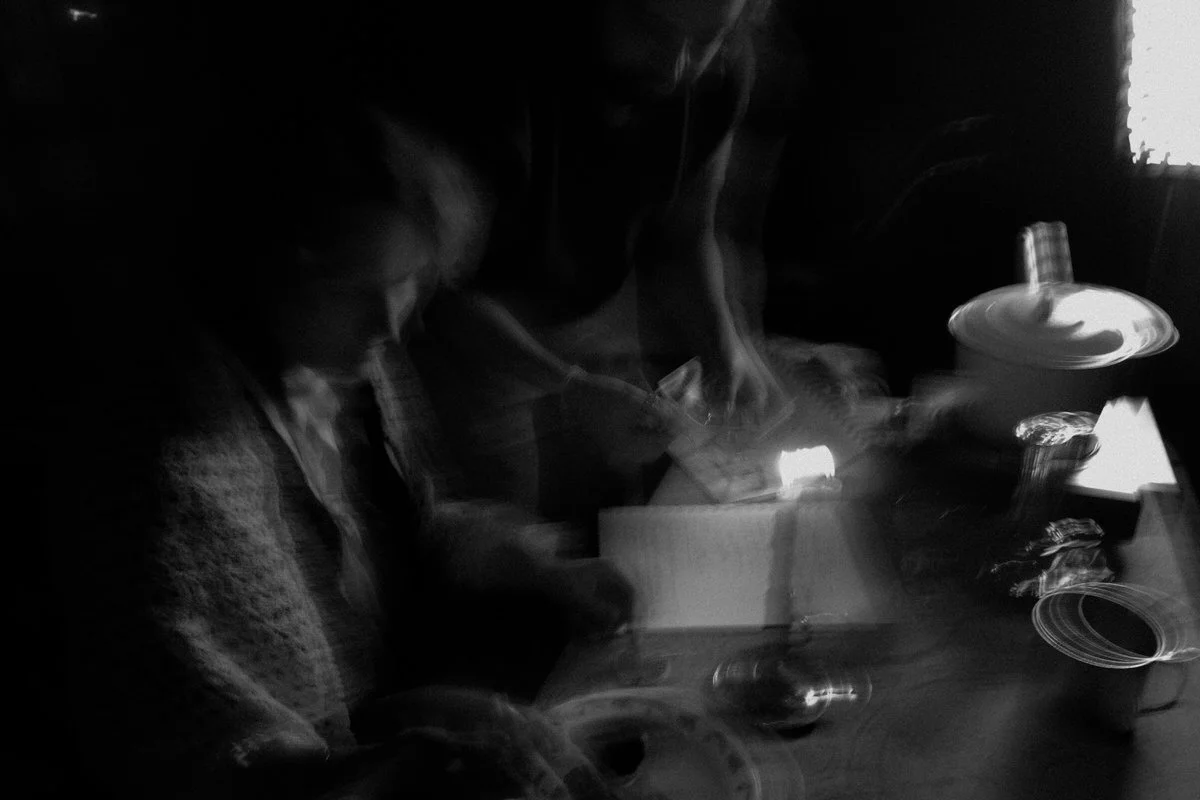
Anni Jürgenson &
Julián De La Chica
Photo by MMG.
Rather than functioning as psychological explanation, music, silence, and duration become parallel narrative forces. PIRET expands concerns already present in De La Chica’s previous films—Agatha and Dora—where questions of immigration, displacement, memory, mental health, solitude, and LGBTQ+ identity unfold through atmosphere rather than dramatic resolution.
Across more than forty international official selections, nominations, and awards—including recognition at the 37th edition of the Visionary Bogotá Film Festival and pre-selection at the Flickers’ Rhode Island International Film Festival—De La Chica has gradually established a body of work situated between concert music, cinema, and visual art. Critics have described his practice as formally rigorous, psychologically evocative, and distinguished by an uncommon ability to merge musical architecture with cinematic time.
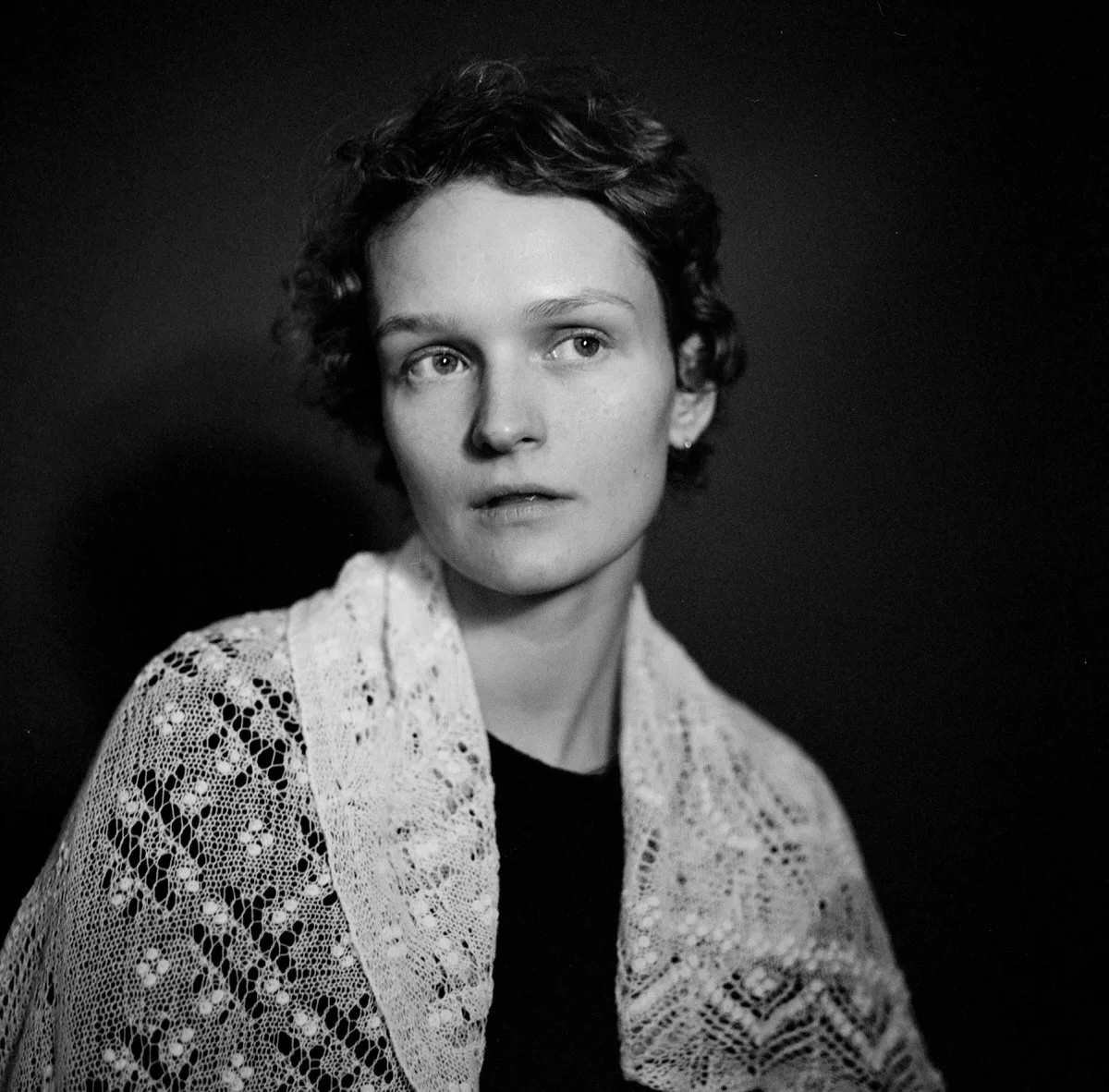
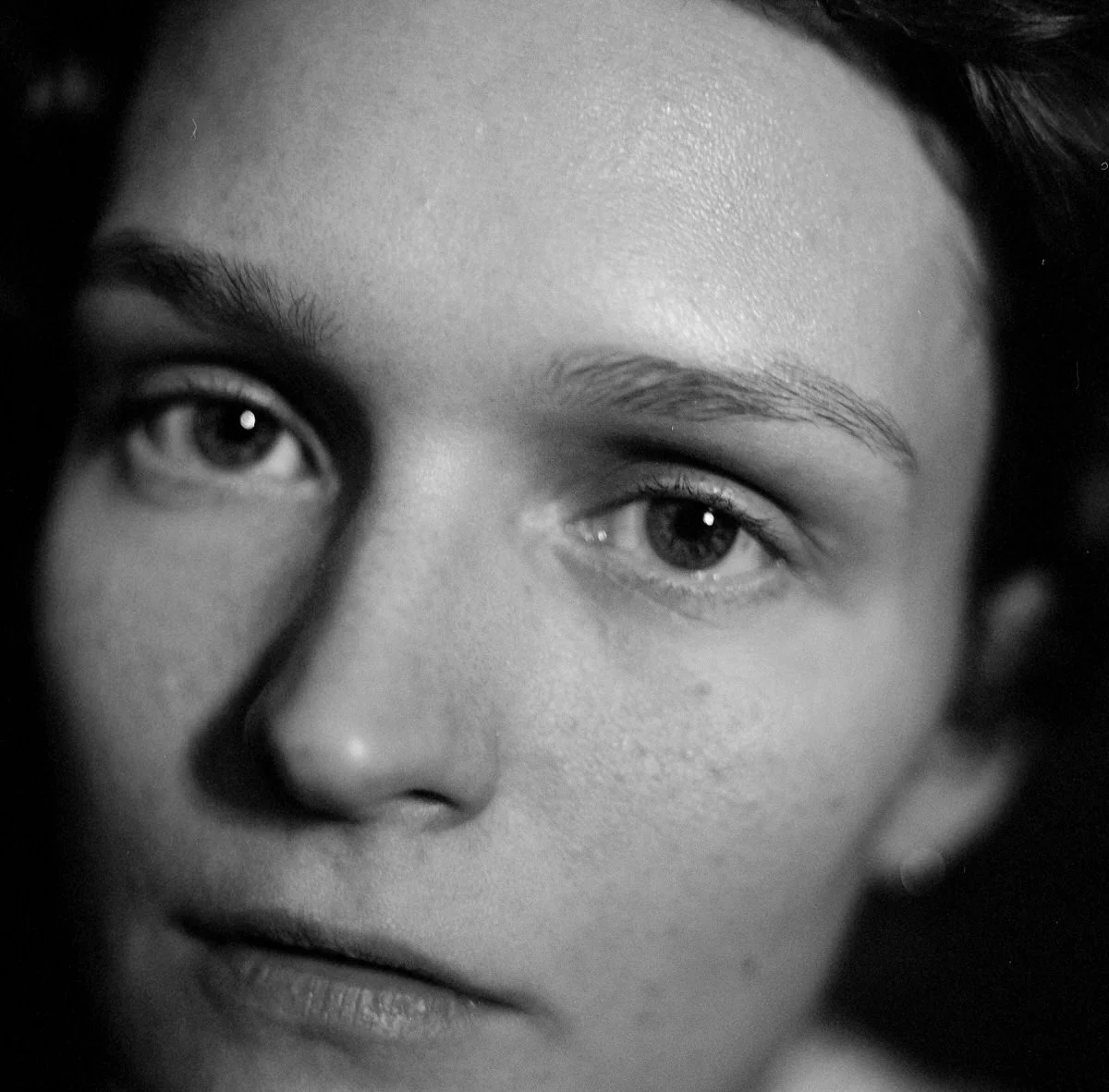
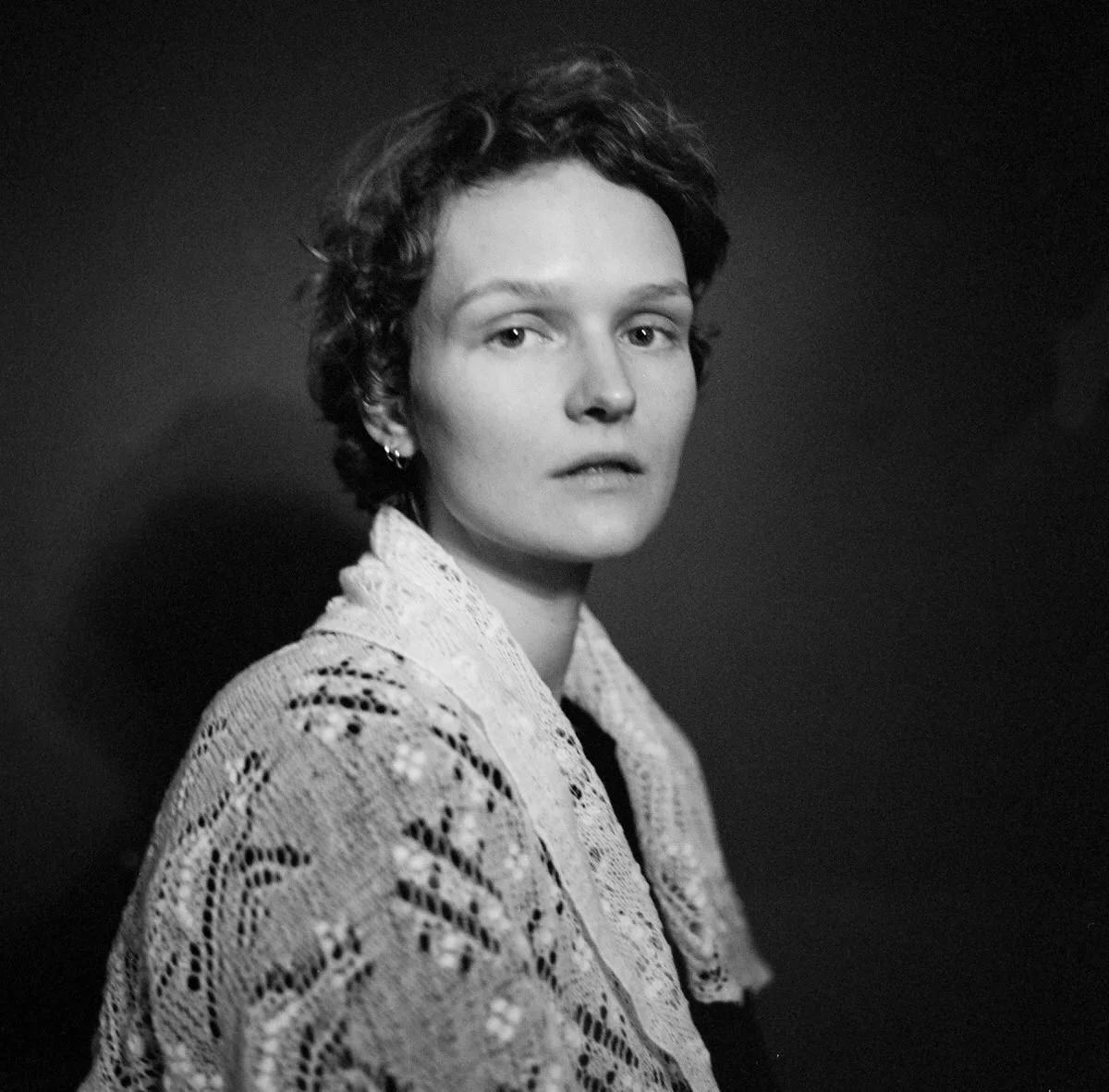
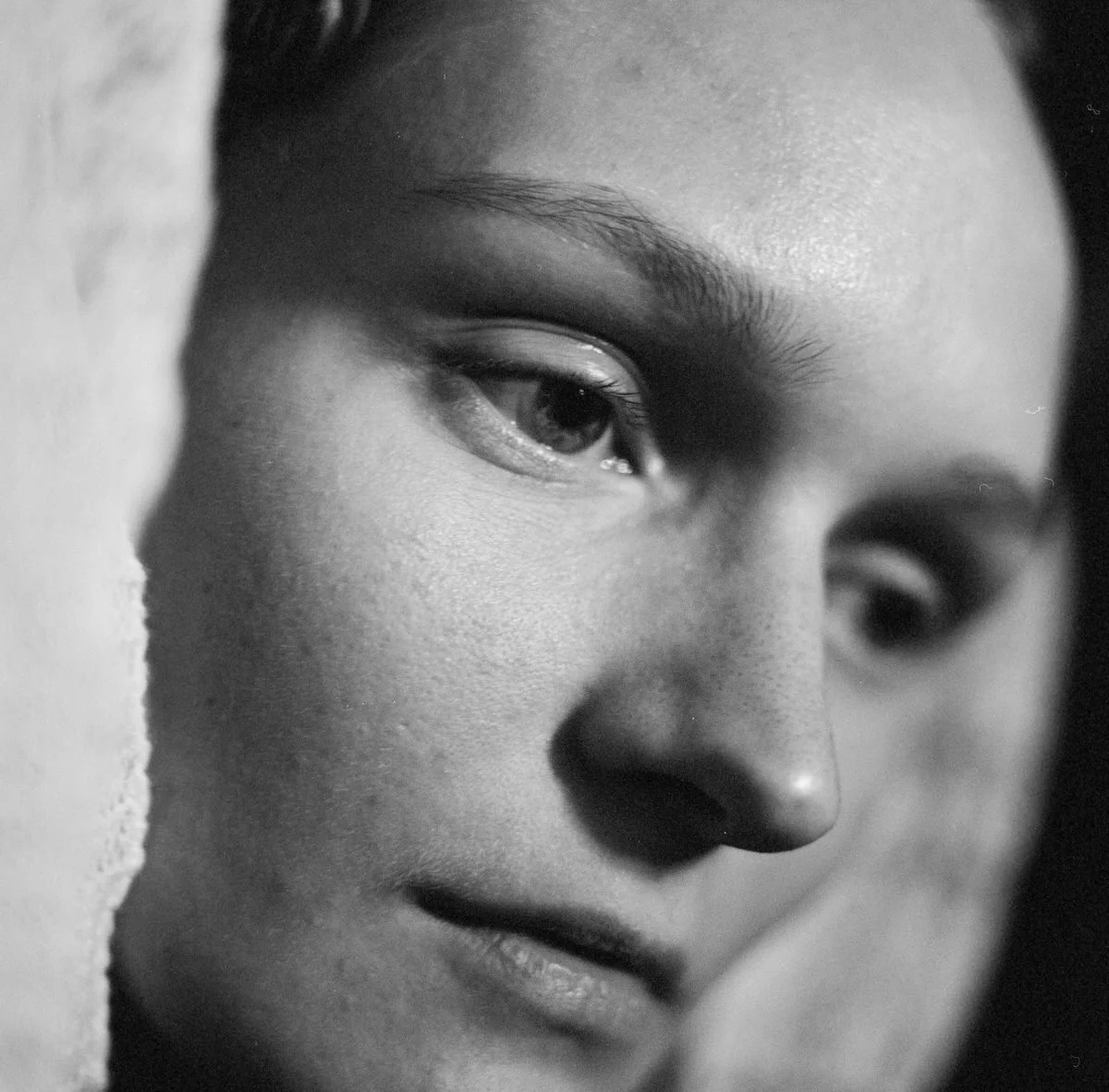
Anni Jürgenson
by Anyelo Troya
Acknowledgements
Irreverence Group Music extends its deepest gratitude to everyone whose generosity made PIRET possible. Special thanks to Cifarra Studio, El Armario NYC, Trinity Lutheran Church of Manhattan, The Green-Wood Cemetery, B&H Photo Video, Negativeland Motion Picture Lab, and Aliwen Color. With heartfelt gratitude to Rachel Hippert, Pastor Kaplan, Ilona Miller, Isabel María Monteiro, Miguel Mourato-Gordo, and to the many artists, collaborators, friends, and supporters who accompanied this journey.